How to Buy a House in Tampa Bay: Complete Buyer Guide
September 20, 2026 · 13 min read
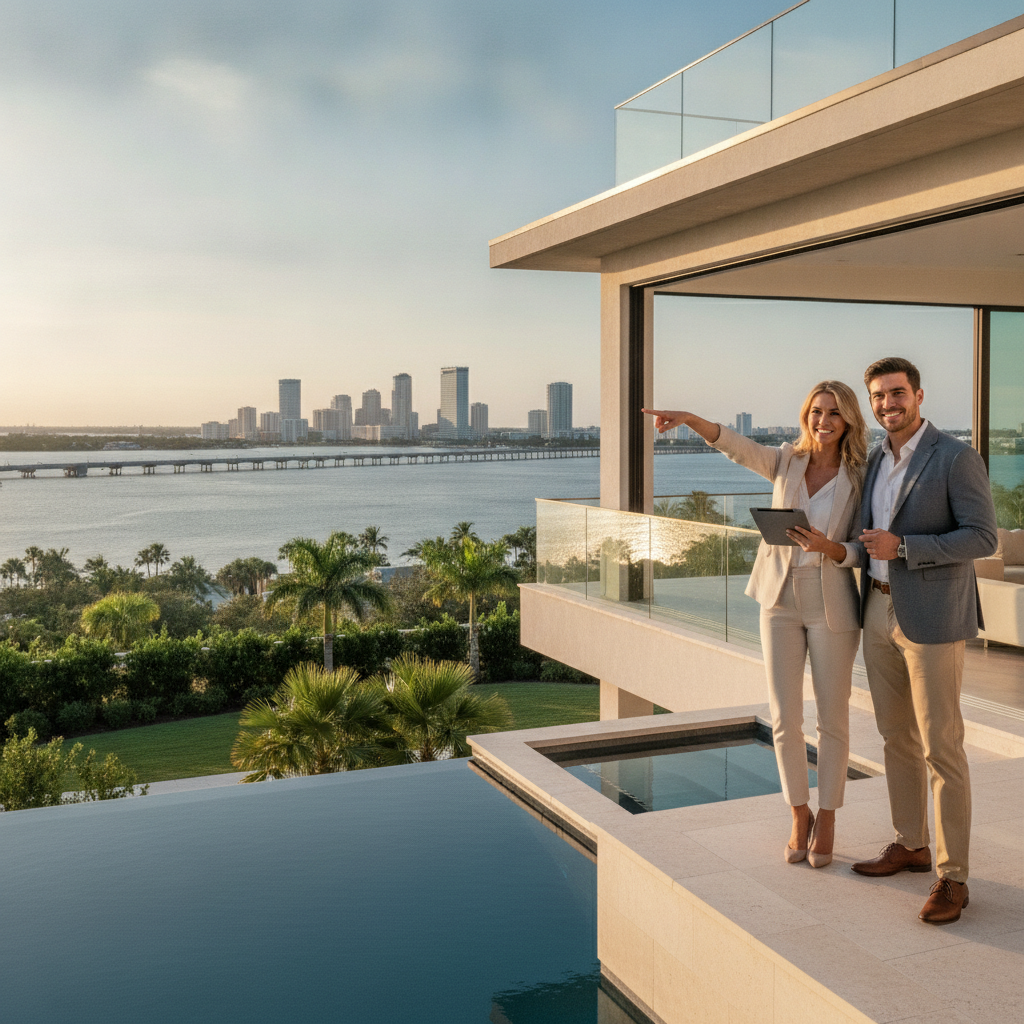
If you're wondering how to buy a house in Tampa Bay in today's shifting market, you're asking the right question at the right time. After years of frenzied bidding wars, Tampa Bay's housing market in 2026 has settled into something far more workable for buyers: rising inventory, more time to think, and mortgage rates that — while still elevated — have stabilized enough to plan around. This guide walks you through exactly how to buy a house in Tampa Bay, from understanding the numbers to closing the deal, so you can move forward with confidence instead of guesswork.
TL;DR — The Bottom Line
Buying a house in Tampa Bay in 2026 means navigating a near-balanced market with median prices around $385K–$430K depending on county, 40–61 average days on market, and mortgage rates near 6.5–7.0%. The process still follows the classic path — get pre-approved, define your must-haves, work with a local expert, make a data-backed offer, and complete due diligence — but buyers now have more negotiating leverage than at any point since 2020. Success comes down to preparation, local knowledge, and moving decisively once you find the right home.
Quick Facts
- Median sale price (Tampa Bay metro): approximately $385,000–$430,000 in 2026
- Hillsborough County median: roughly $415,000, up ~2.9% year-over-year
- Pinellas County median: roughly $430,000, up ~2.1% year-over-year
- Pasco County median: roughly $389,000, up ~4.1% year-over-year
- Average days on market: 40–61 days, up from ~11 days in 2022
- 30-year mortgage rate: approximately 6.5%–7.0%
- Sale-to-list ratio: roughly 95%–98%, meaning most homes close slightly under asking
Understanding the Tampa Bay Housing Market in 2026
Before you dive into how to buy a house in Tampa Bay, it helps to understand the playing field. The Tampa–St. Petersburg–Clearwater metro is currently sitting in what analysts describe as a near-balanced market, with months of inventory hovering around 3.5 to 4.5 — a significant shift from the razor-thin supply of 2021–2022. That extra breathing room means buyers no longer have to waive inspections or offer tens of thousands over asking just to compete.
Home prices vary meaningfully by county, which is one of the first things anyone learning how to buy a house in Tampa Bay needs to grasp. Pinellas County's median sold price sits around $430,000, Hillsborough County is close behind at roughly $415,000, and Pasco County offers relative affordability at approximately $389,000, according to regional market data compiled by Florida Realtors. Year-over-year growth across the region is modest — generally in the 2% to 4% range — a far cry from the double-digit spikes of a few years ago.
Neither, technically. With 3.5–4.5 months of inventory and sale-to-list ratios in the 95–98% range, Tampa Bay is best described as a near-balanced market that's tilting slightly toward buyers compared to the extreme seller's conditions of 2021–2022.
Mortgage rates remain a key variable. Thirty-year fixed rates are generally landing between 6.5% and 7.0%, according to data tracked by Freddie Mac. That's higher than the historic lows of 2020–2021, but the relative stability is actually helpful — it allows buyers and sellers to price homes more realistically instead of chasing a moving target.
How to Buy a House in Tampa Bay: A Step-by-Step Roadmap
Once you understand the market context, the actual mechanics of how to buy a house in Tampa Bay follow a fairly predictable sequence. Here's the roadmap most successful buyers follow, adjusted for today's conditions.
- Get pre-approved, not just pre-qualified. A pre-approval letter from a lender carries far more weight with sellers than a quick pre-qualification, and with rates near 6.5–7.0%, knowing your real monthly payment matters before you fall in love with a listing.
- Define your non-negotiables. Commute distance, flood zone status, school zoning, HOA restrictions, and lot size all matter differently depending on whether you're a first-time buyer, a growing family, or relocating from out of state.
- Partner with a local expert. Because pricing dynamics vary so much by neighborhood and even by street, working with someone who tracks Tampa Bay data closely — like Kyle Hollister — helps you avoid overpaying in a market where sale-to-list ratios already run below asking.
- Tour strategically, not exhaustively. With average days on market now at 40–61 days, you have more time than buyers did in 2022, but well-priced homes in desirable pockets of Tampa, St. Petersburg, and Clearwater still move quickly.
- Make a data-informed offer. Given that homes are selling roughly 2–5% below original list price on average, a strong offer isn't necessarily a full-price offer — it's one grounded in comparable sales, condition, and days on market.
- Complete due diligence. Home inspection, insurance quotes (critical in flood-prone Florida), and title work all happen during your due diligence period, typically 10–15 days after acceptance.
- Close and fund. Final walkthrough, wire transfer, and signing typically happen 30–45 days after contract acceptance, depending on financing.
Each of these steps matters, but the two that trip up newcomers most often are financing preparation and insurance shopping — both of which take longer in Florida than in many other states due to flood and wind coverage requirements.
How Much Does It Really Cost to Buy a House in Tampa Bay?
Understanding the true cost of homeownership is central to learning how to buy a house in Tampa Bay without financial surprises later. Beyond the purchase price, buyers should budget for property taxes, homeowners insurance (notably higher in Florida due to storm risk), and, in many communities, HOA or CDD fees.
| County | Median Sale Price (2026) | Year-Over-Year Change |
|---|---|---|
| Pinellas | ~$430,000 | +2.1% |
| Hillsborough | ~$415,000 | +2.9% |
| Pasco | ~$389,000 | +4.1% |
On a $415,000 home with 10% down and a 6.75% rate, a buyer might expect a monthly principal-and-interest payment in the range of $2,400–$2,600, before adding taxes and insurance. Florida's lack of state income tax is a financial upside, but insurance premiums — particularly in flood zones near Tampa Bay's coastline — can add several hundred dollars a month, so getting an insurance quote early in your search is essential, not optional.
Beyond the purchase price, buyers typically budget an additional amount for lender fees, title insurance, prepaid taxes, and insurance escrows. Because these figures vary by lender and loan type, it's worth requesting a detailed loan estimate early so there are no surprises at the closing table.
Rental data adds useful context too: median rent in Tampa is around $2,100 per month, according to regional rental market reports, which means for many renters, current mortgage payments on a starter home aren't dramatically higher than renting — a factor that continues to drive steady buyer demand despite elevated rates.
Picking the Right Tampa Bay Neighborhood for Your Lifestyle
Tampa Bay isn't one market — it's dozens of micro-markets stitched together across Hillsborough, Pinellas, and Pasco counties. Part of mastering how to buy a house in Tampa Bay is recognizing that a home priced well in one submarket could be overpriced or underpriced just a few miles away.
- Urban core buyers often look toward areas near downtown Tampa or St. Petersburg for walkability and shorter commutes, typically paying a premium per square foot.
- Value-focused buyers frequently expand their search into Pasco County, where median prices remain lower and new construction has kept inventory relatively fresh.
- Relocating professionals often prioritize proximity to employment corridors and flood-zone status over square footage, since Florida's insurance landscape can shift the total cost of ownership significantly between two otherwise similar homes.
Because pricing and negotiating dynamics shift block by block, this is exactly where localized guidance pays off. Buyers working with Kyle Hollister get neighborhood-level insight — not just county averages — when deciding where to focus their search.
Mistakes to Avoid When Buying a Home in Tampa Bay
Even in a more balanced market, buyers still make avoidable errors. Here are the most common missteps that complicate how to buy a house in Tampa Bay successfully:
- Skipping the flood zone check. Florida's flood maps directly affect insurance costs, and some buyers don't discover this until after they're under contract.
- Assuming list price is negotiable everywhere equally. With sale-to-list ratios averaging 95–98%, some listings are already priced to sell, while others still have room to negotiate — knowing the difference requires local comparable data.
- Underestimating insurance costs. Homeowners insurance in coastal Florida counties can be dramatically higher than buyers expect, especially for older roofs or homes in higher-risk flood zones.
- Waiting too long to get pre-approved. In a market where well-priced homes in desirable areas still attract multiple offers, buyers without financing in hand can lose out even when days-on-market averages have risen overall.
- Not accounting for HOA and CDD fees. Many newer Tampa Bay communities carry these additional costs, which can meaningfully change a home's true monthly cost.
Underestimating total ownership costs — particularly insurance and HOA/CDD fees — is the most common mistake. A home that looks affordable based on the listed price alone can carry hundreds of dollars in additional monthly costs once insurance and fees are factored in.
Why Local Expertise Matters When Buying in Tampa Bay
Large national brokerages and high-volume teams dominate a lot of the visible marketing in Tampa Bay real estate, but volume isn't the same as depth. When you're figuring out how to buy a house in Tampa Bay, the value of a consultative, data-driven agent becomes clear the moment you start comparing two similar homes with very different price histories, insurance quotes, or flood designations.
Kyle Hollister works with buyers and sellers across Hillsborough, Pinellas, and Pasco counties, focusing on the kind of granular, block-by-block market knowledge that generic listing searches simply can't provide. Whether you're a first-time buyer trying to make sense of financing options or a relocating professional trying to compare neighborhoods from a distance, having a single, knowledgeable point of contact — rather than a rotating cast of team members — often makes the difference between a smooth closing and a stressful one.
If you're ready to start your search, visit Hollister Real Estate to connect directly and get a personalized read on current listings and pricing trends in your target area.
Frequently Asked Questions
How long does it typically take to buy a house in Tampa Bay?
From an accepted offer to closing, most Tampa Bay transactions take 30–45 days, depending on financing type and inspection timelines. Add several weeks of searching before that, since average days on market currently run 40–61 days for active listings.
Do I need 20% down to buy a house in Tampa Bay?
No. Conventional loans often allow 5–10% down, and FHA loans can go as low as 3.5% down for qualified buyers. A 20% down payment simply helps you avoid private mortgage insurance and may improve your offer's competitiveness.
Is now a good time to buy a house in Tampa Bay?
With inventory rising and days on market extending compared to the 2021–2022 peak, buyers currently have more negotiating leverage than they have in years, even though mortgage rates remain elevated near 6.5–7.0%. Many buyers find this a more sustainable time to purchase than the frenzied conditions of a few years ago.
Which Tampa Bay county is most affordable for buyers?
Pasco County currently offers the most affordable median pricing in the region, at roughly $389,000, compared to Hillsborough's ~$415,000 and Pinellas' ~$430,000 medians.
Should I use a local agent or a national brokerage to buy in Tampa Bay?
Either can work, but local specialists typically offer more granular, neighborhood-level insight into pricing, flood zones, and negotiation dynamics — details that matter significantly in a market as varied as Tampa Bay.
Final Thoughts: Moving Forward With Confidence
Learning how to buy a house in Tampa Bay in 2026 isn't about outbidding everyone else — it's about understanding a market that finally rewards preparation, patience, and good data. With inventory climbing, price growth moderating, and mortgage rates holding steady, buyers today have more room to make thoughtful decisions than at almost any point since before the pandemic. The fundamentals still apply: get pre-approved, know your target neighborhoods, budget realistically for insurance and fees, and lean on someone who understands the market's finer details.
If you're ready to take the next step, reach out to Kyle Hollister for a personalized consultation on how to buy a house in Tampa Bay that fits your budget, timeline, and lifestyle. Whether you're a first-time buyer or relocating from out of state, having an expert guide through the current market can save you both money and stress.