Is Tampa a Good Place to Live? 2026 Real Estate Guide
August 29, 2026 · 13 min read

Is Tampa a good place to live? For most buyers and relocators, the answer in 2026 is a qualified yes — Tampa offers strong job and population growth, a large and increasingly balanced housing market, and a lifestyle that continues to draw people from higher-cost states, but affordability, insurance costs, and hurricane risk are real tradeoffs that deserve a hard look before you sign a contract. Whether you're a first-time buyer, a seller weighing your next move, or a professional relocating to the region, the details matter more than the headline.
TL;DR — The Bottom Line
Is Tampa a good place to live? Yes, for many people — the region combines job growth, improving housing inventory, and a warm-weather lifestyle with median home prices in the low-to-mid $400,000s and roughly 3.8 to 4.6 months of housing supply in 2026. The tradeoffs are real: insurance premiums, hurricane exposure, and still-elevated prices compared to pre-pandemic years. If you value sunshine, economic opportunity, and more buyer negotiating power than the 2021-2022 boom years, Tampa is worth serious consideration; if low taxes are your only priority and storm risk worries you, weigh that carefully first.
Quick Facts
- Median home value (Zillow, July 2026): $380,300, down 1.3% year over year
- Median sale price (Redfin, 2026): $466,000, up 1.2% year over year
- Median list price (Realtor.com, Aug. 2026): $397,450, down 4.2% year over year
- Months of housing supply: 3.8 to 4.6 months depending on data source
- Days to pending/sale: 29 to 37 days on average
- Residential permit growth (2025): up 50% year over year, per Shovels.ai
Is Tampa a Good Place to Live? A Straight Answer for 2026
So, is Tampa a good place to live right now, in the current market? The short answer is yes for a large share of buyers, but the fit depends heavily on your priorities. Tampa's housing market has cooled from its pandemic-era frenzy into something closer to normal. Instead of bidding wars and 24-hour offer deadlines, buyers today typically see homes sit for 29 to 37 days before going pending, according to Zillow and Redfin data from 2026. That is a meaningful shift from the ultra-tight conditions of 2021 and 2022, and it gives buyers real room to negotiate.
At the same time, Tampa is not a discount market. Median home values still sit well above pre-pandemic levels, even as some reports show prices softening year over year. If you're asking is Tampa a good place to live from a pure affordability standpoint, the honest answer is: it's more affordable than it was two years ago, but not cheap by national standards.
For context, a strict seller's market is often considered anything under 3 months of supply, while a buyer's market usually starts above 6 months. Tampa's current range puts it squarely in between, which is part of why answering "is Tampa a good place to live" now requires more nuance than it did during the boom years.
Tampa Cost of Living and Housing Market: What Buyers Need to Know
When people research is Tampa a good place to live, cost of living is usually the first concern. Housing is the biggest variable. Depending on the data source, Tampa's median price ranges from roughly $380,000 (Zillow's estimate) to $466,000 (Redfin's estimate), with the metro-wide figure often cited around $420,000 to $425,000. Realtor.com's list-price data, meanwhile, shows a median asking price of $397,450, down 4.2% year over year as of August 2026 — a sign that sellers are adjusting expectations in a market with more competition among listings.
| Source | Metric | 2026 Figure | Year-over-Year Change |
|---|---|---|---|
| Zillow | Home Value Index | $380,300 | -1.3% |
| Redfin | Median Sale Price | $466,000 | +1.2% |
| Realtor.com | Median List Price | $397,450 | -4.2% |
Why the spread between sources? Zillow's home value index smooths out estimated values across all homes, Redfin's figure reflects actual closed sales over a rolling three-month window, and Realtor.com tracks asking prices on active listings. Together, they paint a picture of a market where sellers are adjusting list prices downward while actual closed transactions still land in a wide range depending on neighborhood, home condition, and property type.
Answer: It can be, but it requires strategy. First-time buyers often need to look beyond the most desirable central neighborhoods toward emerging areas with more new construction, since residential permits jumped roughly 50% year over year in 2025 according to Shovels.ai. Working with an agent who tracks inventory closely, rather than just headline median prices, matters a lot here.
Beyond housing, Tampa's broader cost of living includes no state income tax, which offsets some of the higher insurance and housing costs for many households relocating from high-tax states. Utilities, groceries, and healthcare costs in Tampa tend to run close to national averages, though they can vary significantly by neighborhood and lifestyle.
Quality of Life in Tampa: Weather, Culture, and Daily Living
Cost is only part of the equation when evaluating is Tampa a good place to live. Quality of life factors — climate, amenities, commute times, and community — often matter just as much to buyers and sellers alike.
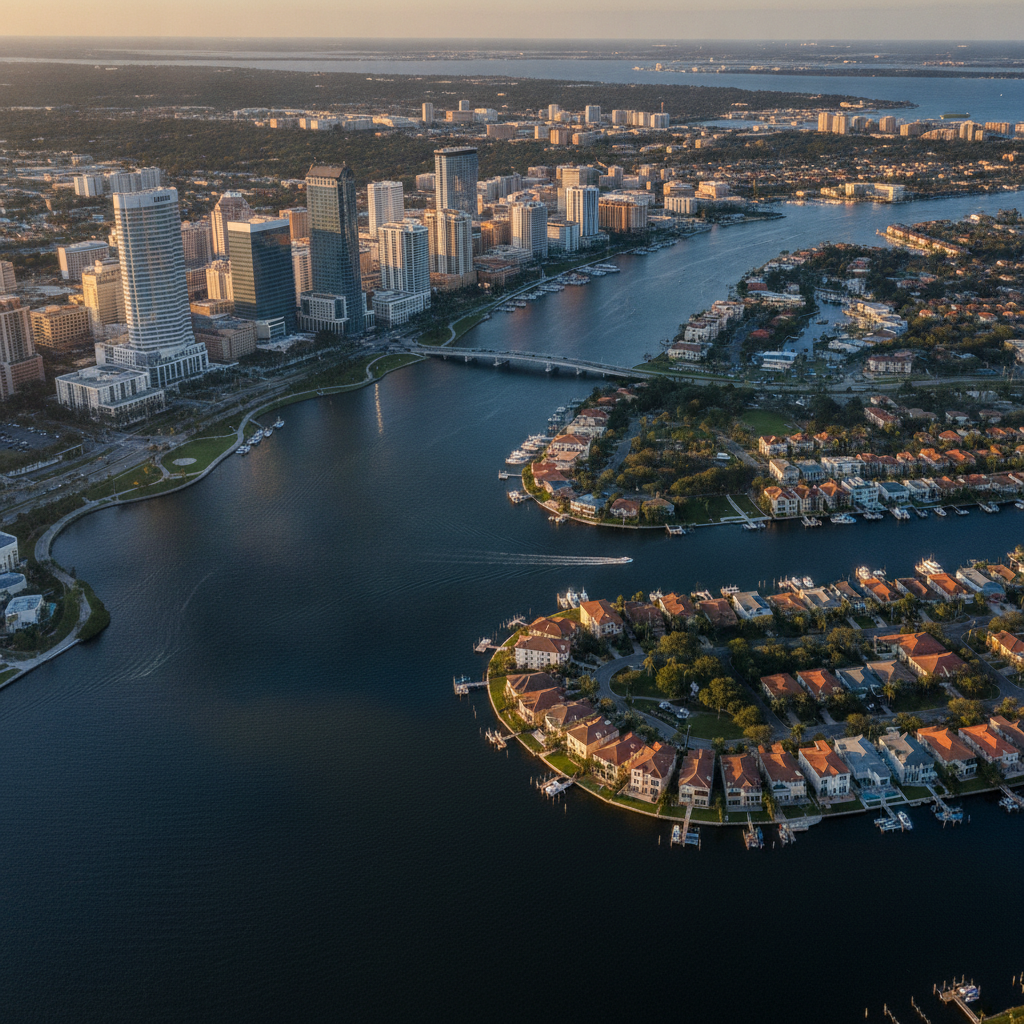
Tampa offers a subtropical climate with mild winters and long, warm summers, which is a major draw for people relocating from colder states. The metro area also has a genuinely diverse economy and cultural scene: a growing downtown core, a busy waterfront along Bayshore Boulevard, professional sports teams, an international airport with expanding routes, and a food and arts scene that has matured significantly over the past decade.
Commute times and traffic are a common concern. Like many fast-growing Sun Belt metros, Tampa has seen congestion increase as population growth outpaces some infrastructure investment. That said, many neighborhoods still offer reasonable commutes to downtown, MacDill Air Force Base, and the busy office corridors along the I-4 and Westshore areas.
Jobs, Economy, and Population Growth Driving Tampa's Appeal
One of the strongest arguments for why Tampa is a good place to live is its underlying economic momentum. The region continues to see population growth fueled by relocation from higher-cost states, along with an expanding base of jobs in finance, healthcare, logistics, technology, and defense-related industries connected to MacDill Air Force Base.
This economic base matters for real estate because sustained population and job growth tend to support long-run housing demand, even when short-term price movements soften. The 50% year-over-year jump in residential building permits in 2025, nearly reaching 2021 levels, is a strong signal that builders expect continued demand for new housing in the years ahead.
For sellers, this growth story is generally good news: even in a market with more buyer negotiating power, a metro with strong in-migration tends to hold value better over time than one with stagnant or declining population. For buyers, it means competition isn't going away entirely — it has simply become more measured and less frantic than the bidding-war years.
The Honest Drawbacks: Insurance, Hurricanes, and Affordability
No fair answer to is Tampa a good place to live would be complete without addressing the downsides directly, because they materially affect the true cost of homeownership in the region.
- Homeowners insurance: Florida's insurance market has faced well-documented volatility, and Tampa Bay homeowners often pay significantly more for coverage than buyers in many other U.S. metros, particularly for homes in flood zones or older construction.
- Hurricane and storm risk: Tampa Bay's coastal geography means hurricane season (June through November) is a real planning consideration, affecting everything from insurance premiums to evacuation planning and property elevation requirements.
- Still-elevated prices: Even with recent softening, median prices remain well above pre-pandemic norms, which can be a barrier for first-time buyers and those relocating from lower-cost inland markets.
- Property taxes and assessments: While Florida has no state income tax, property taxes and, in some communities, HOA or CDD fees can add meaningfully to monthly housing costs.
Answer: Not necessarily, but it does mean buyers should budget realistically for insurance and consider flood zone status, elevation, and construction age when comparing homes. Many buyers still find that Tampa's lifestyle and economic advantages outweigh the added planning that comes with storm season, especially when they choose homes with modern construction standards and appropriate coverage.
It's worth noting that these drawbacks are not unique to Tampa among Florida metros; they are largely regional realities shared with Sarasota, St. Petersburg, and much of the Gulf Coast. The key is going in with clear eyes and a realistic budget rather than being surprised after closing.
Is Tampa a Good Place to Live for Families, Singles, and Retirees?
The question of is Tampa a good place to live often depends on life stage. Here's a quick breakdown of how different buyer types tend to experience the market:
Families
Families relocating to Tampa generally weigh school quality, safety, and space against price per square foot. With inventory up compared to the pandemic peak, families now have more room to compare neighborhoods and negotiate rather than settling for the first available option.
First-time buyers and young professionals
Longer days on market (29 to 37 days on average) and softer list prices give first-time buyers more breathing room than they had a few years ago, though competitive pricing in desirable pockets still exists, especially for well-maintained, move-in-ready homes.
Retirees
Retirees are often drawn to Tampa's climate, no state income tax, and healthcare infrastructure, though they should factor insurance costs and hurricane preparedness into their long-term budgeting more heavily than buyers in inland or northern markets.
If you're trying to decide whether Tampa fits your specific situation, working with a local expert who understands neighborhood-level nuance is one of the most efficient ways to get a clear answer. Kyle Hollister's Tampa Bay real estate team works with buyers and sellers across all of these life stages and can help translate market data into a decision that fits your goals.
How Tampa Stacks Up Against Other Florida Cities
Comparing Tampa to other major Florida metros helps put the is Tampa a good place to live question in perspective. Compared to Miami and South Florida, Tampa generally offers lower home prices and a somewhat less intense pace of life, while still providing urban amenities and airport access. Compared to Orlando, Tampa offers direct Gulf Coast waterfront access and a slightly different economic mix leaning more toward finance, healthcare, and defense rather than tourism-driven employment. Compared to smaller coastal markets like Sarasota or Naples, Tampa typically offers more housing inventory and a broader range of price points, which can be an advantage for buyers who want options rather than a narrow luxury-only market.
None of these comparisons make Tampa objectively "better" or "worse" — they simply highlight that Tampa's blend of affordability (relative to South Florida), inventory, and economic diversity is a big part of why so many relocators land there.
Frequently Asked Questions About Living in Tampa
Is Tampa a good place to live in 2026?
Yes, for many buyers Tampa remains a good place to live in 2026 thanks to continued job and population growth, improved housing inventory (3.8 to 4.6 months of supply), and a lifestyle that appeals to relocators from higher-cost states. The main tradeoffs are insurance costs and hurricane risk, which buyers should budget for realistically.
What is the median home price in Tampa right now?
Median home price figures vary by data source: Zillow's home value index shows $380,300 (down 1.3% year over year as of July 2026), Redfin shows a median sale price of $466,000 (up 1.2% year over year), and Realtor.com shows a median list price of $397,450 (down 4.2% year over year). Metro-wide estimates often cluster around $420,000 to $425,000.
Is Tampa affordable compared to other Florida cities?
Tampa is generally more affordable than Miami and much of South Florida, while offering more housing inventory and price-point variety than smaller coastal luxury markets like Naples or Sarasota. It is not the cheapest Florida metro, but it offers a reasonable balance of cost and amenities for many buyers.
How long do homes take to sell in Tampa?
Recent 2026 data shows homes in the Tampa area typically take between 29 and 37 days to go pending or sell, depending on the data source and neighborhood, which is notably longer than the extremely fast pace seen during the 2021-2022 pandemic boom.
Is Tampa a good place to live if I'm worried about hurricanes?
Hurricane risk is a genuine consideration for the whole Tampa Bay region, not unique to any one neighborhood. Buyers concerned about storm exposure should review flood zone maps, insurance costs, and construction age closely, and consider working with an agent who can help evaluate these factors property by property.
Final Thoughts: Making the Right Call for Your Situation
Ultimately, the answer to is Tampa a good place to live depends on matching the region's real strengths — economic growth, improving inventory, and a warm-weather lifestyle — against its real challenges, namely insurance costs, storm risk, and prices that remain above pre-pandemic norms. The 2026 market data suggests a metro that has matured past its pandemic-era extremes into something more sustainable, which is arguably a healthier environment for both buyers and sellers making long-term decisions rather than reactive ones.
If you're weighing a move to Tampa Bay, buying your first home here, or preparing to sell in the current balanced market, getting current, neighborhood-specific data is far more useful than relying on national headlines alone. Reach out to Kyle Hollister's team for a personalized read on how today's market conditions apply to your specific goals, timeline, and budget — because the best answer to is Tampa a good place to live is always the one tailored to your own situation.