Moving to Tampa Bay with Kids: Family Relocation Guide
August 1, 2026 · 13 min read
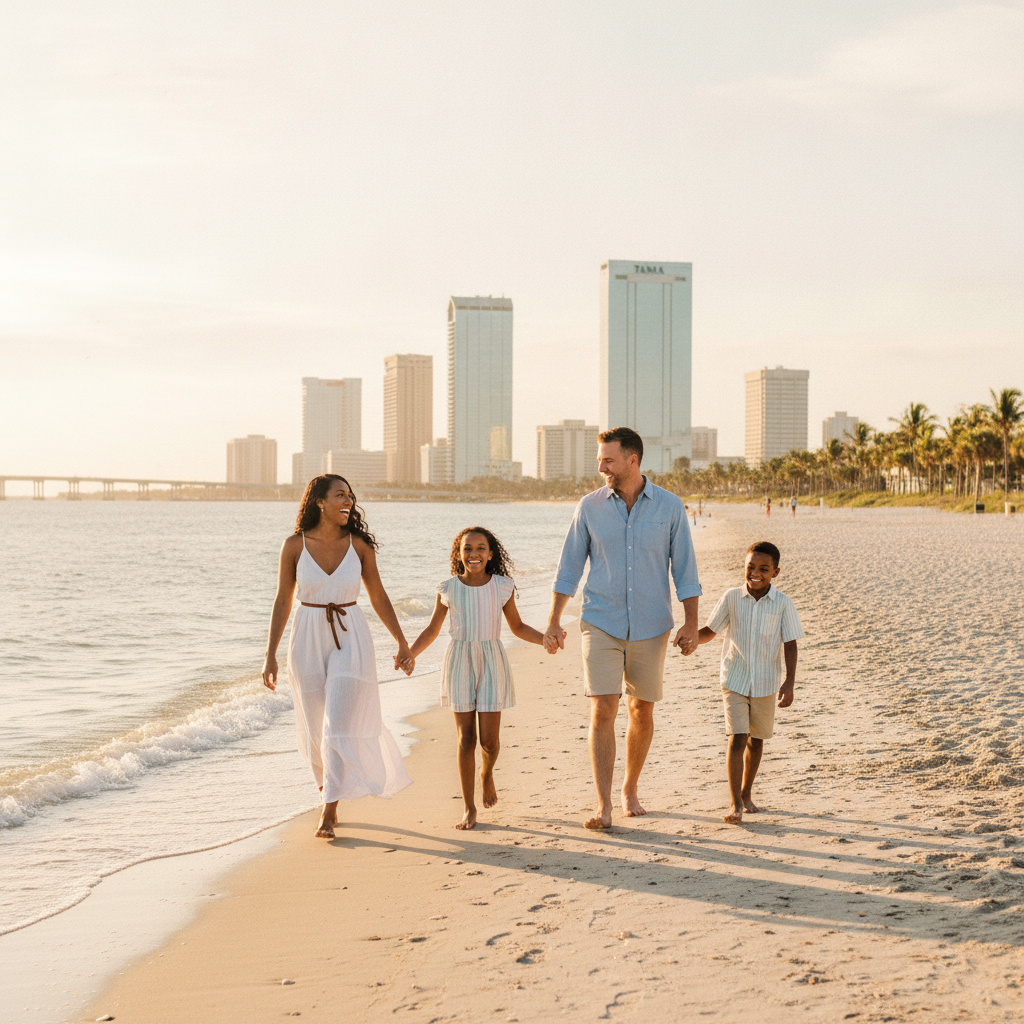
Moving to Tampa Bay with kids is one of the biggest lifestyle upgrades a family can make in 2025–2026 — but it also comes with real decisions about schools, neighborhoods, insurance, and timing that can make or break the transition. As a Tampa Bay real estate professional who works with relocating families every week, I've put together this guide to walk you through exactly what to expect and how to plan, from your first house-hunting trip to your child's first day at a new school.
TL;DR — The Bottom Line
Moving to Tampa Bay with kids works best when families plan around three things: school zoning (which varies by county), total housing costs (not just the sale price), and a realistic timeline that gives kids time to emotionally adjust. Median home prices sit around $380,451 with typical rent near $2,150/month, and a family of four can generally live comfortably on $80,000–$120,000 a year depending on housing and insurance choices. Start with pre-approval, research school zones before you fall in love with a house, and budget for flood/wind insurance early.
Quick Facts
- Median home price (Tampa Bay, 2025): approximately $380,451
- Median rent: approximately $2,150/month
- Comfortable income for a family of four: $80,000–$120,000/year
- Counties to consider: Hillsborough, Pinellas, Pasco
- Inventory trend: gradually moving toward 5–6 months of supply
- Core industries: healthcare, finance, tech, tourism, logistics, military
Why Tampa Bay Works for Families
Families choosing Tampa Bay are drawn to a rare combination: relatively affordable housing compared to other large coastal metros, strong job growth, solid suburban school options, and a genuinely year-round outdoor lifestyle. Whether you land in urban Tampa, walkable St. Petersburg, coastal Clearwater, or a quiet suburb in between, moving to Tampa Bay with kids means access to beaches, parks, youth sports leagues, and cultural attractions that are usable 300+ days a year.
The regional economy also matters more than most relocation guides admit. Tampa Bay's job base spans healthcare, finance, technology, tourism, logistics, and a significant military presence, which supports dual-income households and remote-work families alike. That diversity means families relocating for one parent's job often find opportunities for the other parent too — a detail worth discussing with your agent and a local employment counselor before you commit to a neighborhood.
For most households, a family of four can live comfortably on roughly $80,000–$120,000 per year in Tampa Bay, depending heavily on housing choices and insurance costs. That's lower than comparable coastal metros like Miami or the Northeast, but higher than much of inland Florida — a gap driven largely by home prices and property/flood insurance.
Housing Costs When Moving to Tampa Bay with Kids
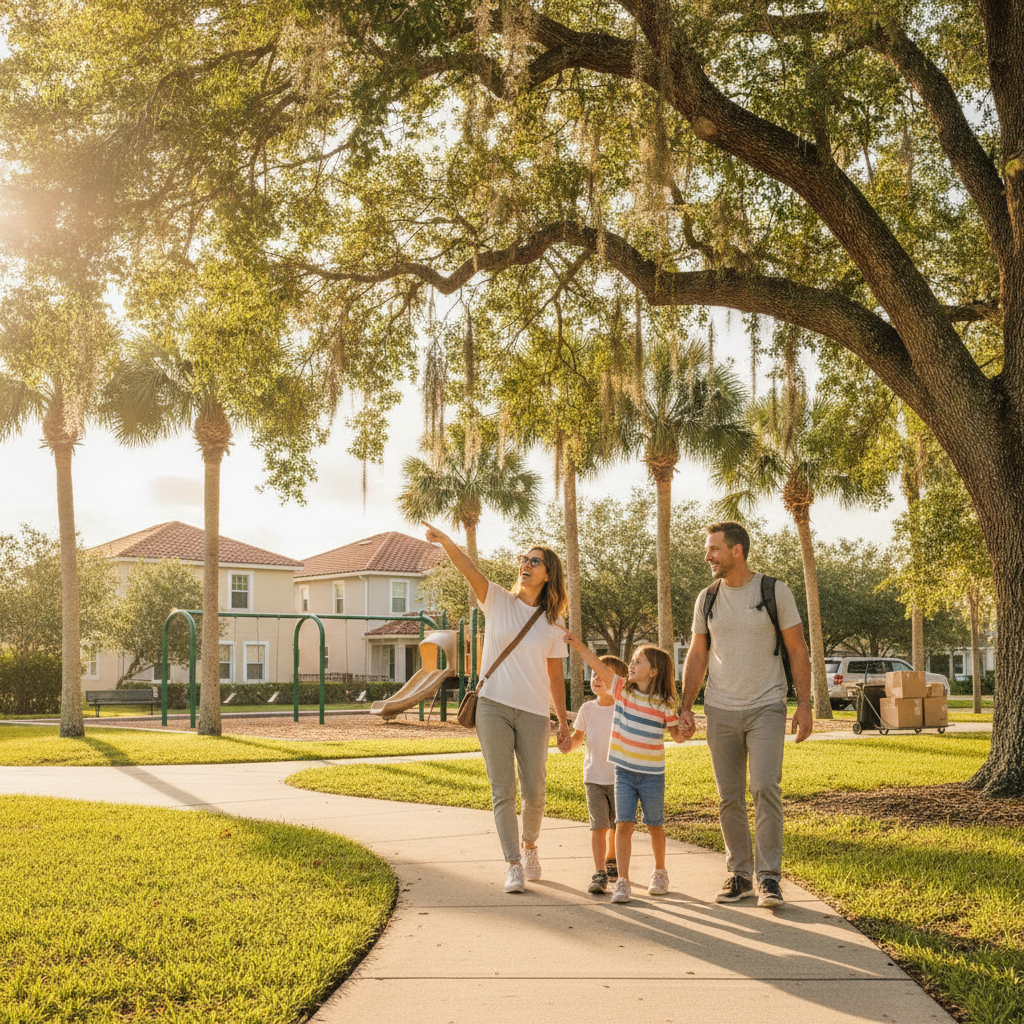
As of May 2025, the median Tampa Bay home price sits around $380,451, with median rent near $2,150 per month. That's up from pre-pandemic levels but still more approachable than many large coastal metros families are relocating from, such as parts of California, the Northeast, or South Florida.
Local forecasts point to continued buyer demand fueled by in-migration and job growth, but with price appreciation stabilizing rather than repeating the rapid run-ups of 2020–2022. Inventory is also gradually trending back toward a more balanced 5–6 months of supply through 2025–2026, which should give families moving to Tampa Bay with kids more homes to choose from and less pressure to waive contingencies just to win a bidding war.
One nuance worth flagging: a younger wave of investors buying Airbnb/VRBO properties, along with steady international investor interest, continues to shape pricing in coastal and tourist-heavy pockets of the market. Families prioritizing quiet streets, consistent neighbors, and school-zone stability may want to specifically target neighborhoods with fewer short-term rentals — your agent can pull this data before you tour homes.
With a median home price around $380,451 and typical mortgage rates in 2025–2026, most lenders suggest a household income of roughly $95,000–$110,000 supports a median-priced home comfortably, assuming a 10–20% down payment and manageable existing debt. Your exact number depends heavily on insurance costs, HOA fees, and property taxes in your target neighborhood.
Because affordability conversations often focus only on sale price, I always encourage relocating families to build a full monthly cost worksheet before house hunting — one that includes principal and interest, property taxes, homeowners insurance, flood insurance where applicable, HOA/CDD fees, and estimated childcare or school-related costs. Getting pre-approved early, with this full picture in hand, lets families moving to Tampa Bay with kids act quickly and confidently once they find the right home in the right school zone.
Understanding School Districts Before You Relocate
This is where many out-of-state families get tripped up. Tampa Bay isn't governed by a single school district — Hillsborough, Pinellas, and Pasco counties each run their own systems, with different enrollment rules, timelines, magnet and school-choice programs, and boundary maps. A home that's zoned for a highly rated elementary school today can shift zones after redistricting, so it pays to verify current zoning directly with the county school district, not just a listing description.
Before touring homes, families should research: current school grades and ratings, magnet or choice program availability, before/after-school care options, bus routes and realistic commute times, and how open-enrollment or school-choice transfers work in that specific county. These factors can vary block-by-block, which is exactly why school zoning should be one of the first filters applied when searching listings — not an afterthought once you've fallen for a house.
Choosing the Right Neighborhood for Your Family
Rather than chasing a single "best neighborhood" list, families relocating to Tampa Bay are better served evaluating a consistent set of factors across any community they're considering:
- School zoning and enrollment rules specific to that county
- Traffic and street safety — quiet, low-through-traffic streets matter more once kids are biking or walking to a friend's house
- Proximity to parks, libraries, and youth sports fields, which shape day-to-day family life far more than a listing photo ever will
- Commute realities to downtown Tampa, Westshore, or medical/business centers versus proximity to beaches and trails
- Community involvement — active PTAs, neighborhood associations, and youth programs are strong signals of long-term family fit
With many parents now working hybrid or fully remote schedules, the classic trade-off between "close to downtown" and "close to the beach" has softened somewhat, but it still matters for the parent who does commute regularly. Families moving to Tampa Bay with kids should test-drive the actual commute at rush hour, not just check a map estimate, before signing a contract.
Budgeting Beyond the Mortgage: Insurance and Hidden Costs
Florida's insurance market has become a defining factor in family affordability, and it deserves its own line item in every relocation budget. Homeowners insurance, and in many cases separate flood or wind coverage, can add several hundred dollars a month depending on the home's location, age, and construction. Families moving to Tampa Bay with kids should request insurance quotes on any home they're seriously considering before removing the financing contingency, not after closing.
Other often-overlooked costs include HOA and CDD fees in many newer suburban communities, childcare or after-school program costs, and higher utility bills during Florida's long summer cooling season. None of these are deal-breakers, but they meaningfully change the true monthly cost of a home — which is why total monthly cost, not list price alone, should drive every affordability conversation.
Yes, in many cases. Coastal proximity, flood zone designation, and the home's age and roof condition all affect premiums significantly, so it's smart to get a quote during your home search rather than assuming a standard national estimate will apply.
A Step-by-Step Timeline for Moving to Tampa Bay with Kids
Families relocating with children generally do best working backward from a target school start date. Here's a realistic timeline:
- Step 1 — 4-6 months out: Get pre-approved, research counties and school zones, and connect with a local agent who works with relocating families.
- Step 2 — 3-4 months out: Schedule a house-hunting trip that includes driving school zones at pickup/drop-off times and visiting parks or community centers, not just open houses.
- Step 3 — 2-3 months out: Make an offer, confirm insurance quotes, and begin school enrollment paperwork for your target county.
- Step 4 — 1 month out: Book movers, transfer medical and school records, and set up childcare or camp coverage for the transition period.
- Step 5 — Move week: Prioritize setting up kids' bedrooms first and keep a consistent daily routine as much as possible.
- Step 6 — First 30 days: Enroll in local sports, library programs, or community groups quickly to help kids build friendships.
Helping Kids Adjust: The Emotional Side of the Move
The logistics of moving to Tampa Bay with kids are only half the equation — the emotional transition matters just as much for a smooth landing. Children often handle relocation better when parents involve them early: showing them photos or videos of the new neighborhood, letting them pick out decor for their new room, and being honest about what will change (new school, new friends) versus what will stay the same (family routines, pets, favorite activities).
It also helps to front-load positive, kid-specific reasons for the move — beaches, theme parks, year-round outdoor time, and new sports opportunities — rather than only discussing the adult reasons like job relocation or housing costs. Enrolling kids in a summer camp, sports league, or community program within the first few weeks after moving to Tampa Bay with kids tends to accelerate friendships and reduce homesickness far more than waiting until the school year officially starts.
What is the best time of year to move to Tampa Bay with kids?
Many relocating families aim for a summer move so kids can start the school year fresh, but late spring can also work well if you want extra time to enroll in camps and community programs before the fall semester begins.
How much does it cost for a family of four to live in Tampa Bay?
Most families live comfortably on $80,000–$120,000 per year, with housing, insurance, and childcare being the largest variables depending on the neighborhood and school district chosen.
Which county has the best schools for families moving to Tampa Bay?
Hillsborough, Pinellas, and Pasco counties each run separate school systems with different zoning, ratings, and magnet programs, so "best" depends on the specific neighborhood and school zone rather than the county as a whole — always verify current zoning directly with the district.
Is Tampa Bay affordable compared to other places families are relocating from?
Generally yes. With a median home price around $380,451, Tampa Bay remains more affordable than many large coastal metros, though housing and insurance costs have risen compared to pre-pandemic levels.
Should I buy or rent first when moving to Tampa Bay with kids?
Many relocating families rent for 6-12 months first to confirm school zone fit and commute patterns before buying, especially if they're unfamiliar with how neighborhoods and traffic actually function day-to-day.
Final Thoughts on Moving to Tampa Bay with Kids
Moving to Tampa Bay with kids is genuinely one of the more family-friendly relocation decisions available in today's coastal real estate market — but it rewards families who plan carefully around schools, total housing costs, and a realistic adjustment timeline for their children. The market itself is shifting in your favor, with inventory gradually normalizing and price appreciation stabilizing, which means relocating families have more room to make thoughtful decisions rather than rushed ones.
If you're weighing a move and want guidance specific to your family's school zone priorities, budget, and timeline, working with an agent who understands the family-relocation side of Tampa Bay — not just the transaction — makes a measurable difference. Visit Hollister Real Estate to start a conversation about your family's move, or reach out directly for a personalized relocation consultation built around your kids' needs, your budget, and your target school zones. Whether you're just starting to research moving to Tampa Bay with kids or you're ready to tour homes this month, I'm here to help make the transition as smooth as possible for your whole family. Learn more about working with a family-focused Tampa Bay agent today.