Selling a Home As-Is Tampa Bay: What Sellers Need to Know
September 28, 2026 · 13 min read
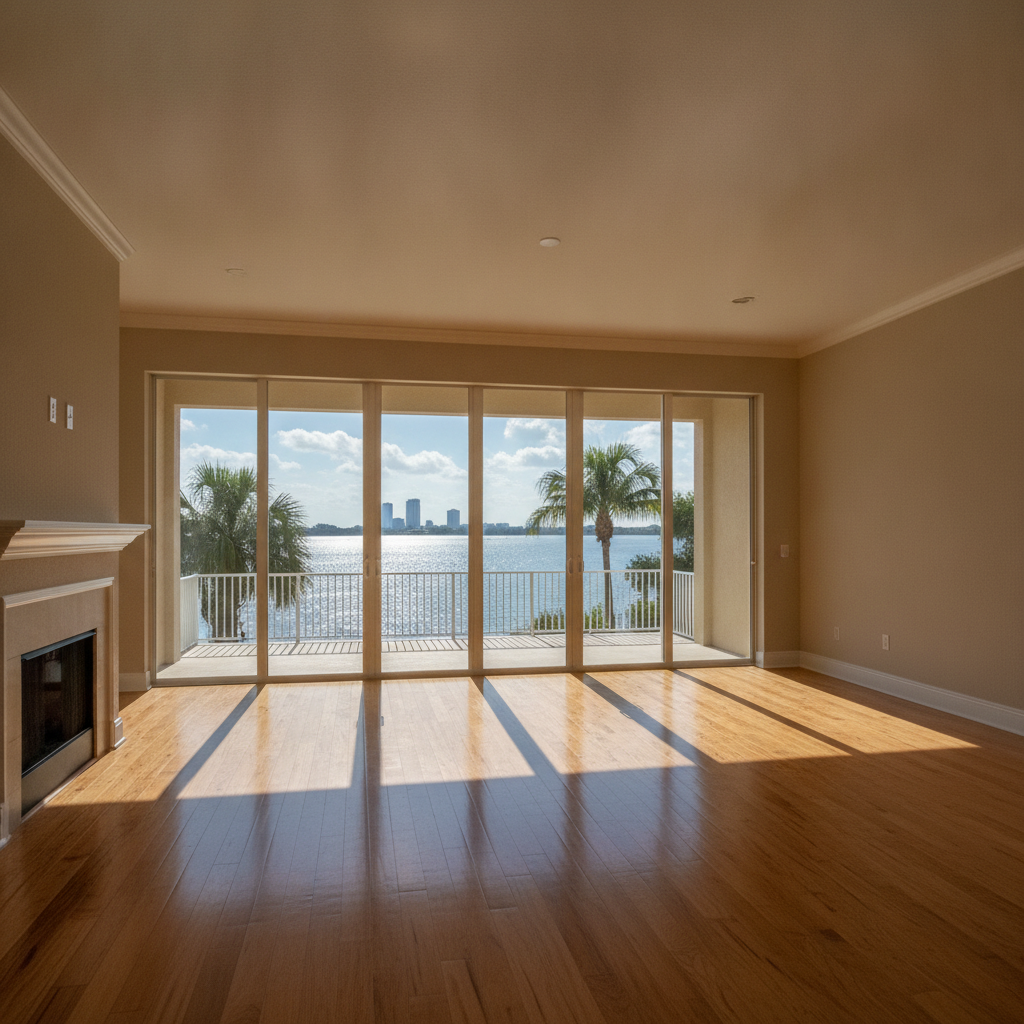
Selling a home as-is Tampa Bay style has become an increasingly popular option as the local market shifts toward more balanced, buyer-friendly conditions. Whether you've inherited a property, faced deferred maintenance, or simply want to avoid the hassle of pre-listing repairs, selling a home as-is in Tampa Bay can save time and stress — but it comes with legal nuances that many sellers overlook. This guide walks through exactly what "as-is" means under Florida law, what you must still disclose, and how to decide between a traditional listing, a cash buyer, or a hybrid strategy.
TL;DR — The Bottom Line
Selling a home as-is in Tampa Bay means you're not obligated to make repairs before closing, but Florida law still requires you to disclose known material defects — including flooding history under the state's newer flood disclosure statute. With Tampa Bay inventory up and homes taking roughly 45–68 days to sell, pricing realistically and disclosing honestly matter more than ever. Sellers can choose between a fast cash sale (often 50%–70% of after-repair value) or an agent-led as-is listing that maximizes market exposure and typically nets closer to full value.
Quick Facts
- Tampa median sale price: ~$479,000 (three months ending August 2026, up 10% year-over-year)
- Average days on market: 45–68 days depending on data source and area
- Active inventory change: up approximately 14.8%–25% year-over-year in parts of Tampa Bay
- Flood disclosure law: Florida Statute § 689.302 requires a standalone flood disclosure form, expanded October 1, 2025
- Cash buyer offers: commonly 50%–70% of after-repair value once repair costs and margins are deducted
Understanding What "As-Is" Really Means in Florida
Many Tampa Bay homeowners assume that selling a home as-is means they can skip disclosures entirely and hand over the keys with no further obligation. That's a costly misunderstanding. In Florida, an as-is contract simply changes the repair-negotiation dynamic — the seller isn't contractually promising to fix anything the buyer's inspector finds. The buyer still has the right to inspect, and still has the right to walk away or renegotiate price based on what they discover.
What an as-is clause does not do is override Florida's disclosure law. Under the landmark case Johnson v. Davis, Florida sellers must disclose facts that materially affect a property's value and are not readily observable by the buyer. Florida Realtors has also confirmed, referencing Rayner v. Wise Realty Co. of Tallahassee, that this duty extends to homes sold as-is. In other words, selling a home as-is in Tampa Bay reduces your repair obligations, not your honesty obligations.
Tampa Bay Market Snapshot for As-Is Sellers
Context matters when selling a home as-is in Tampa Bay, because the market has cooled from its pandemic-era pace into something far more selective. Redfin reported a median sale price near $479,000 for Tampa city in the three months ending August 2026, up 10% year-over-year, with homes averaging about 46 days on market. Realtor.com's late-September 2026 data showed a median listing price closer to $449,900 and roughly 68 days on market across the broader Tampa area, while other regional analyses pegged the Tampa Bay median sale price around $443,000 with active inventory up 14.8% to 25% year-over-year.
These numbers vary because they measure different geographies (city versus metro), different price types (asking versus closed), and different property types (single-family versus condo). But the practical takeaway for anyone selling a home as-is in Tampa Bay is consistent: buyers have more time and more inventory to compare, so a home with visible wear or deferred maintenance often needs a meaningful price adjustment to compete — even in a market that remains active overall.
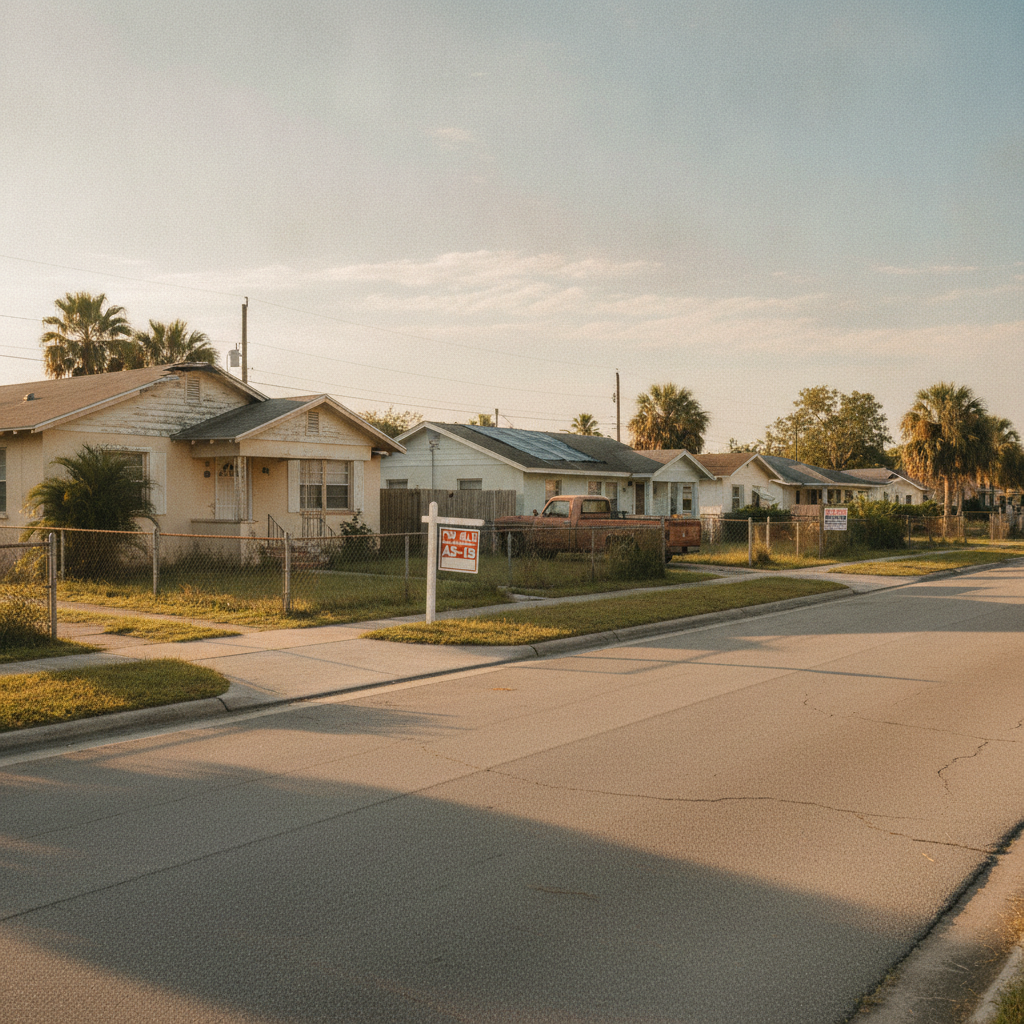
Do Sellers Still Have to Disclose Defects When Selling As-Is?
This is the single most misunderstood part of selling a home as-is in Tampa Bay. Florida doesn't mandate one universal statewide disclosure form, but written disclosure is still the safest legal and ethical practice. Sellers should proactively document what they know — before the contract is signed — rather than relying on the as-is clause as a shield.
Answer: No. Florida's disclosure standard, established in Johnson v. Davis, requires sellers to disclose known material defects that aren't readily observable, regardless of whether the sale is as-is. Skipping disclosure can expose you to post-closing legal liability even after the deal is done.
Material facts that typically require disclosure include known roof leaks or age-related failure, foundation or structural cracking, plumbing or electrical problems, past mold remediation, sinkhole activity, termite damage, and any prior insurance claims tied to storm or water damage. If you're unsure whether something qualifies as "material," the safer approach when selling a home as-is in Tampa Bay is to disclose it and let the buyer decide how it affects their offer.
Florida's Flood Disclosure Law and Tampa Bay-Specific Risks
Flood exposure is one of the most important — and most litigated — disclosure issues for anyone selling a home as-is in Tampa Bay. Coastal exposure, storm surge, heavy seasonal rainfall, and aging drainage infrastructure make flood history a frequent point of buyer concern across Pinellas, Hillsborough, and surrounding counties.
Florida Statute § 689.302 now requires a standalone flood disclosure to be provided at or before execution of the sales contract, a requirement that took effect October 1, 2024, and was expanded further on October 1, 2025. This disclosure must address known flooding events, prior flood insurance claims, flood zone designation, and any flood-related repairs — regardless of whether the home is being sold as-is. An as-is clause does not substitute for this statutory flood disclosure, and omitting known flood damage can create significant legal exposure even after closing.
Answer: No. The flood disclosure required under Florida Statute § 689.302 applies regardless of contract type. As-is only affects repair negotiations, not statutory disclosure requirements like flood history.
Common Defects Buyers Scrutinize in As-Is Tampa Bay Homes
Buyers touring as-is listings in Tampa Bay tend to focus their inspection dollars on a predictable set of systems. Understanding these in advance helps sellers set realistic price expectations and avoid disputes later.
- Roof condition: Age, prior storm damage, and insurability are top concerns — many Florida insurers require roofs under a certain age or condition to bind coverage.
- Structural and foundation issues: Cracking, settling, or sinkhole history can significantly affect financing and insurance eligibility.
- Plumbing and electrical systems: Older homes with original galvanized pipe or outdated panels often trigger buyer requests for credits even in as-is deals.
- HVAC age and function: Florida's climate makes HVAC a high-priority inspection item.
- Mold and moisture: Past water intrusion, even if remediated, should be disclosed and documented.
Being transparent about these issues upfront — rather than waiting for an inspection report to surface them — tends to produce smoother negotiations when selling a home as-is in Tampa Bay.
As-Is Listing vs. Cash Buyers: Comparing Your Options
One of the biggest decisions when selling a home as-is in Tampa Bay is choosing between a direct cash sale and a traditional MLS listing marketed as as-is. Each path serves a different priority: speed versus price.
| Option | Typical Timeline | Typical Proceeds | Best For |
|---|---|---|---|
| Local cash buyer / investor | 7–30 days | Often 50%–70% of after-repair value | Sellers prioritizing speed and certainty over maximum price |
| National "we buy houses" brand | 7–21 days | Similar to local investors, minus brand marketing costs | Sellers wanting a standardized, no-negotiation process |
| iBuyer / digital platform | 1–3 weeks | Market-adjacent minus service fees and repair deductions | Homes in relatively marketable condition |
| Agent-led MLS listing (as-is) | 30–90+ days | Closer to full market value | Sellers with flexibility who want maximum exposure and negotiation support |
Cash buyers and iBuyers compete on speed; an MLS listing competes on price discovery. For many Tampa Bay homeowners, the smartest move is comparing a real cash offer against a broker's projected market listing price before committing to either — because the gap between the two can be tens of thousands of dollars.
Answer: It depends on your priorities. Cash buyers offer speed and certainty but typically pay 50%–70% of after-repair value. An MLS listing marketed as-is usually takes longer but can net closer to full market value, especially with professional pricing and negotiation support.
How to Sell a Home As-Is in Tampa Bay: Step-by-Step
- Get a pre-listing inspection. Knowing your home's condition upfront lets you disclose accurately and price with confidence.
- Complete Florida's required disclosures. Include the standalone flood disclosure and a written seller's disclosure covering known material defects.
- Price based on true condition, not sentiment. Compare recent as-is and renovated sales in your specific Tampa Bay submarket.
- Decide your channel. Weigh a cash offer against an agent-led as-is listing using real numbers, not assumptions.
- Market strategically. Highlight the property's potential (lot size, location, renovation upside) rather than downplaying its condition.
- Negotiate transparently. Expect buyers to request inspection-based price adjustments even in an as-is contract — be prepared with documentation.
Sellers who work with a licensed broker experienced in selling a home as-is Tampa Bay transactions can often avoid disclosure mistakes that create liability long after closing.
Pricing Your As-Is Home Correctly in a Balanced Market
With Tampa-area inventory up and homes averaging 45–68 days on market, overpricing an as-is home is one of the most common and costly mistakes sellers make. Buyers in today's market have the leverage to compare multiple listings, and a home priced as if it were fully renovated will simply sit — accumulating days on market that make buyers suspicious and eventually force larger price cuts.
The better approach is to price selling a home as-is Tampa Bay listings against true comparable sales: recently sold as-is or fixer-upper properties in the same neighborhood, adjusted for condition, lot, and location. A knowledgeable local broker can help calibrate this number so the home attracts serious buyers from day one rather than languishing and losing negotiating power.
Answer: There's no universal percentage, but as-is homes typically sell at a discount reflecting estimated repair costs plus a buyer's risk premium. An experienced local agent can quantify this using recent comparable as-is sales rather than generic rules of thumb.
Working with a broker who understands both the cash-buyer market and the traditional MLS process gives sellers real negotiating leverage. Rather than accepting the first low-ball cash offer out of convenience, homeowners can explore a hybrid strategy: listing on the open market with as-is terms while keeping a backup cash offer in hand as a floor.
Frequently Asked Questions
What does selling a home as-is mean in Tampa Bay?
It means the seller is not agreeing in advance to make repairs or issue credits based on inspection findings. The buyer still has inspection rights, and the seller must still disclose known material defects under Florida law.
Do I still need a home inspection if I'm selling as-is in Tampa Bay?
Buyers will almost always order their own inspection regardless of as-is terms. Sellers benefit from a pre-listing inspection too, since it helps identify what must be disclosed and supports accurate pricing.
Is Florida's flood disclosure required even for as-is home sales?
Yes. Florida Statute § 689.302 requires a standalone flood disclosure at or before contract execution, and this requirement applies regardless of whether the property is sold as-is.
Will I get less money selling a home as-is in Tampa Bay versus listing it renovated?
Typically yes, though the exact discount depends on the home's condition, location, and the comparable sales in the immediate area. Cash buyer offers tend to be lower (often 50%–70% of after-repair value) than agent-led as-is listings marketed to the open market.
Can I be sued after closing if I don't disclose a known defect in an as-is sale?
Yes. Florida's disclosure law, rooted in Johnson v. Davis, applies to as-is sales. Concealing known material defects such as roof leaks, flooding, or structural issues can expose sellers to legal liability even after closing.
Final Thoughts on Selling a Home As-Is in Tampa Bay
Selling a home as-is in Tampa Bay can be a smart, efficient path — but only when sellers understand the difference between limiting repair obligations and limiting disclosure obligations. Florida law, including the state's flood disclosure statute and the long-standing Johnson v. Davis standard, still requires honesty about known material defects. Combine that legal awareness with a realistic pricing strategy for today's more balanced Tampa Bay market, and homeowners can choose confidently between a fast cash sale, a traditional as-is listing, or a hybrid approach that captures the best of both.
If you're weighing your options for selling a home as-is in Tampa Bay — whether in South Tampa, St. Petersburg, Wesley Chapel, Lakeland, or the surrounding communities — a licensed local broker can help you compare a real cash offer against projected market value before you commit. Reach out to Kyle Hollister for a transparent, no-pressure evaluation of your as-is selling options.