Tampa Bay Smart Home Technology Real Estate Value: Guide
October 23, 2026 · 13 min read
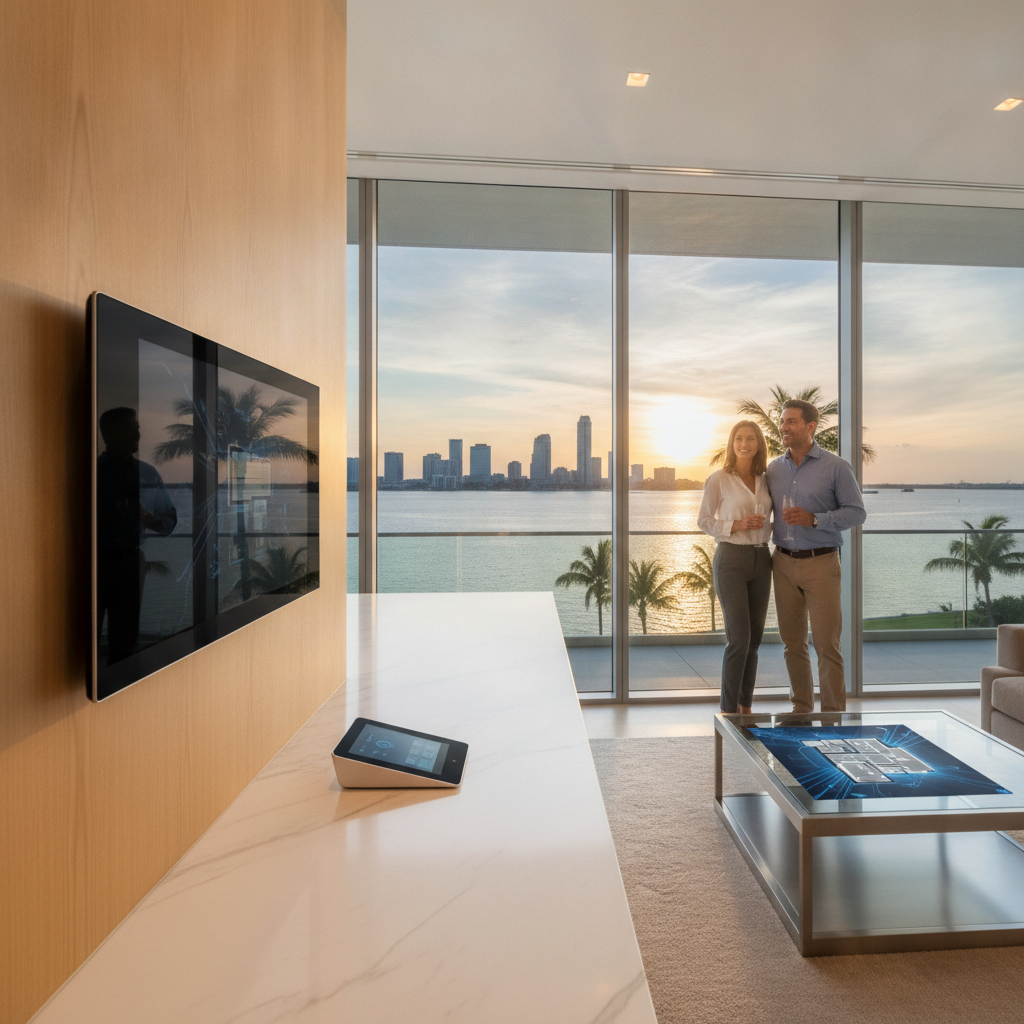
For homebuyers and sellers navigating a more balanced housing market, tampa bay smart home technology real estate value has become one of the most practical ways to differentiate a listing, control ownership costs, and build long-term resilience against Florida's climate. This guide breaks down exactly which connected features matter, what they're worth, and how to use them strategically whether you're preparing to list a home or shopping for your next one.
TL;DR — The Bottom Line
Tampa Bay smart home technology real estate value comes less from flashy gadgets and more from documented, transferable systems: security and access control, energy management, water-leak monitoring, and lighting automation. With 19,941 active listings at the end of 2025 (an 11% increase year over year) and roughly 4.3 to 4.5 months of supply, buyers have more leverage and sellers need credible differentiation. Smart systems that are well-installed, documented with utility data, and easy to transfer to a new owner consistently outperform disconnected gadgets in buyer perception and showing feedback.
Quick Facts
- Tampa Bay active listings (Dec 2025): 19,941, up 11% year over year
- Median sale price (mid-2026): approximately $381,436, up 2.6% year over year
- Months of supply: approximately 4.3–4.5 months
- Median market time: approximately 48 days
- Home price growth since 2019: roughly 67%
- Starter smart-device installation packages: typically $250–$400
What Is Tampa Bay Smart Home Technology Real Estate Value?
At its core, tampa bay smart home technology real estate value is not about owning the most devices—it's about owning the right ones, installed correctly, and presented in a way buyers can trust. A smart thermostat alone won't move the needle on an appraisal. But a documented system that reduces utility bills, deters break-ins, and prevents water damage changes how buyers evaluate a home's long-term cost of ownership.
This distinction matters because Tampa Bay's housing market has shifted. Pandemic-era bidding wars have cooled, and buyers today can afford to be selective. In that environment, tampa bay smart home technology real estate value functions as a differentiator rather than a luxury add-on, especially for relocation buyers who are unfamiliar with local neighborhoods and want extra reassurance about safety and operating costs.
The Tampa Bay Market Context: Why Smart Features Matter Now
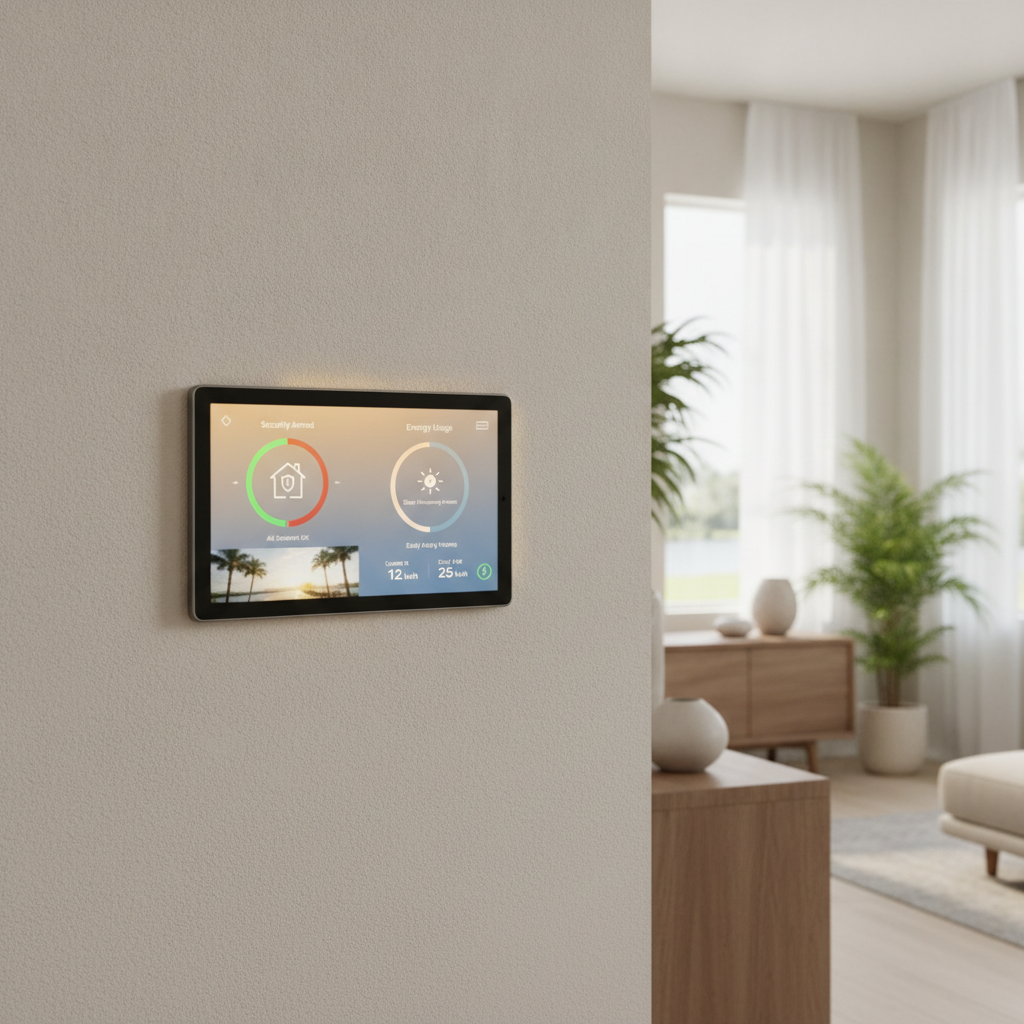
Understanding the current market is essential to understanding tampa bay smart home technology real estate value. Tampa Bay ended 2025 with 19,941 active listings, an 11% increase from December 2024, signaling more inventory and more buyer choice. Mid-2026 data showed a median sale price around $381,436, up 2.6% year over year, with roughly 4.5 months of supply and a median market time near 48 days. Another 2026 analysis placed single-family median prices closer to $415,000 with about 4.3 months of supply.
Affordability remains a persistent challenge. Mortgage rates have generally held in the 6%–7% range, while Tampa Bay home prices have climbed roughly 67% since 2019. Conditions also vary sharply by segment—one 2026 report found Tampa's overall median price down 0.4% year over year, with single-family prices holding near $400,000 while condominium prices fell 9.1%. In this fragmented, buyer-leveraged environment, sellers need credible differentiators, and tampa bay smart home technology real estate value is increasingly one of them.
Answer: It more commonly increases marketability and buyer confidence than it directly raises appraised value. Homes with documented security, energy, and leak-monitoring systems tend to show better, generate stronger buyer interest, and face fewer objections during inspection negotiations, which can translate into faster sales and fewer price concessions.
Security and Access Control Features Buyers Want Most
Security is consistently the strongest driver of tampa bay smart home technology real estate value, particularly for buyers relocating from out of state who are unfamiliar with a new neighborhood. The features that resonate most include:
- Professionally monitored alarm systems
- Smart locks with temporary or guest access codes
- Video doorbells and exterior cameras
- Motion, glass-break, and water-leak sensors
- Garage-door monitoring and remote control
- Remote access management for owners, cleaners, and service providers
A cohesive, transferable security platform is far more persuasive to buyers than a scattered mix of inexpensive cameras. When a seller can hand over a working app, documented equipment list, and clear instructions for transferring monitoring service, that completeness itself becomes part of the home's tampa bay smart home technology real estate value story during showings and negotiations.
Energy Management: Taming Tampa's Climate Costs
Tampa's hot, humid climate makes energy usage one of the largest ongoing ownership costs, and buyers notice when a seller has addressed it proactively. High-impact upgrades include smart thermostats with zoning or occupancy sensing, HVAC run-time monitoring, smart ceiling fans, whole-home energy monitoring, automated blinds or shades, high-efficiency lighting, load-management devices for major appliances, and solar-plus-storage monitoring where applicable.
Sellers should avoid promising specific savings percentages. Instead, provide twelve months of utility bills alongside a documented list of energy upgrades. This approach is more credible to buyers and appraisers alike, and it reinforces the energy-efficiency component of tampa bay smart home technology real estate value without making unverifiable claims.
Water-Leak and Flood-Risk Monitoring for Storm Resilience
Few regions in the country make water-related risk as central to home value as Tampa Bay. Storm exposure, drainage issues, plumbing failures, and rising insurance costs all weigh heavily on buyer decisions, and reports indicate that properties in flood-affected areas have already seen measurable price reductions and softer buyer demand. This makes water-leak and flood-risk monitoring one of the most consequential contributors to tampa bay smart home technology real estate value.
Practical, buyer-reassuring devices include automatic water-shutoff valves, leak sensors near water heaters, washing machines, sinks, and HVAC equipment, sump-pump alerts where relevant, high-water sensors, humidity and mold-risk monitoring, and generator or battery-status monitoring for storm preparedness. It's important to be clear with buyers that these devices do not replace elevation certificates, flood-zone research, drainage improvements, or proper insurance coverage—but they do reduce the severity of preventable damage and demonstrate a proactive ownership history.
Answer: They are not legally required, but they are increasingly expected by buyers and can meaningfully reduce the risk of costly, preventable water damage. They should be paired with—not substituted for—proper flood insurance, elevation documentation, and drainage assessments.
Smart Lighting and Lifestyle Automation That Impress at Showings
Lighting, shades, and scene automation won't carry a listing on their own, but they meaningfully improve the buyer experience during showings and open houses. The strongest applications tend to be simple and reliable: whole-home lighting control, exterior and pathway lighting, vacation-mode automation, pool and landscape-lighting controls, automated shades for heat and glare reduction, and centralized control through a single, common platform.
A well-designed system should remain fully usable manually if the technology fails or a buyer prefers traditional switches. Overly complex, proprietary systems that are difficult to operate can actually detract from tampa bay smart home technology real estate value rather than add to it, because buyers worry about maintenance, compatibility, and replacement costs down the road.
How Much Value Do Smart Home Upgrades Actually Add?
Sellers naturally want a dollar figure, but honest guidance matters more than inflated promises. Appraisers generally do not assign line-item value to individual smart devices the way they do for square footage or a renovated kitchen. Instead, tampa bay smart home technology real estate value shows up indirectly: faster showings, fewer buyer objections, stronger offers in competitive segments, and smoother inspection negotiations when systems demonstrate proactive maintenance and risk reduction.
In a market with 4.3 to 4.5 months of supply, the homes that sell fastest are often the ones that remove buyer uncertainty—and documented smart home systems do exactly that.
| Feature Category | Typical Installation Cost | Primary Buyer Benefit |
|---|---|---|
| Security & access control | $250–$2,500 | Safety, remote monitoring, relocation confidence |
| Energy management | $300–$5,000+ | Lower utility costs, climate comfort |
| Water-leak & flood monitoring | $200–$3,000 | Damage prevention, insurance confidence |
| Lighting & lifestyle automation | $500–$10,000+ | Showing appeal, convenience |
These ranges are directional, not guarantees. The right investment level depends on the home's price point, buyer profile, and whether the property is positioned as a resale home, a luxury listing, or an investment property.
Buyer and Seller Action Steps for Maximizing Smart Home ROI
Whether you're selling or buying, a structured approach protects your interests and maximizes tampa bay smart home technology real estate value.
- Audit existing systems. Document every connected device, its age, warranty status, and whether it's tied to a subscription or monitoring service.
- Prioritize security and water protection first. These categories deliver the strongest buyer confidence per dollar spent.
- Gather utility and maintenance records. Twelve months of bills alongside energy upgrades builds credibility with buyers and appraisers.
- Verify transferability. Confirm that smart locks, cameras, and monitoring accounts can be reassigned to a new owner without service gaps.
- Disclose honestly. Avoid promising specific savings percentages; present documented data instead.
- Work with a broker who understands the technology. Positioning smart features correctly in listing descriptions and showings matters as much as the equipment itself.
Kyle Hollister works with Tampa Bay buyers and sellers to translate these systems into real negotiating leverage, rather than treating them as an afterthought in a listing description. Learn more at Hollister Real Estate.
Frequently Asked Questions
Does smart home technology really affect tampa bay smart home technology real estate value?
Yes, though indirectly. Appraisers rarely assign specific value to individual devices, but documented, transferable security, energy, and water-monitoring systems improve buyer confidence, reduce objections, and can lead to faster sales and stronger offers in a market with roughly 4.3–4.5 months of supply.
What smart home features do Tampa Bay buyers care about most?
Security and access control (alarms, smart locks, video doorbells, cameras) typically rank highest, followed closely by energy management and water-leak or flood-risk monitoring, given Tampa's climate and storm exposure.
Should I install smart home technology before listing my house?
Focus on systems that are complete, documented, and easy to transfer rather than adding scattered gadgets. Security, energy monitoring, and water-leak protection generally offer the best return on buyer confidence relative to cost.
Do smart water-leak sensors lower home insurance costs in Tampa Bay?
Some insurers offer discounts or favorable underwriting for homes with leak detection and automatic shutoff valves, though this varies by carrier. These devices should supplement, not replace, flood insurance and proper risk assessment.
How do I know if a smart home system will transfer properly to a new buyer?
Confirm account ownership, subscription status, and compatibility before listing. A broker experienced in tampa bay smart home technology real estate value can help verify that systems are buyer-ready and clearly documented in disclosures.
Conclusion: Positioning Smart Home Technology for Real Results
In today's Tampa Bay market—with rising inventory, moderating price growth, and buyers who have more negotiating power than they did a few years ago—tampa bay smart home technology real estate value is no longer a novelty; it's a practical tool for standing out and protecting your investment. The homes that benefit most are not the ones with the most gadgets, but the ones with complete, documented, and transferable systems addressing security, energy efficiency, and water resilience.
If you're preparing to list your home or searching for your next Tampa Bay property, understanding how smart home technology affects real estate value can save you money, reduce risk, and strengthen your negotiating position. Connect with Kyle Hollister at Hollister Real Estate to get a clear, honest assessment of how your home's technology stacks up in today's market.