Are Ghosts Real? Tampa Bay Haunted Homes & Legends
November 4, 2026 · 13 min read
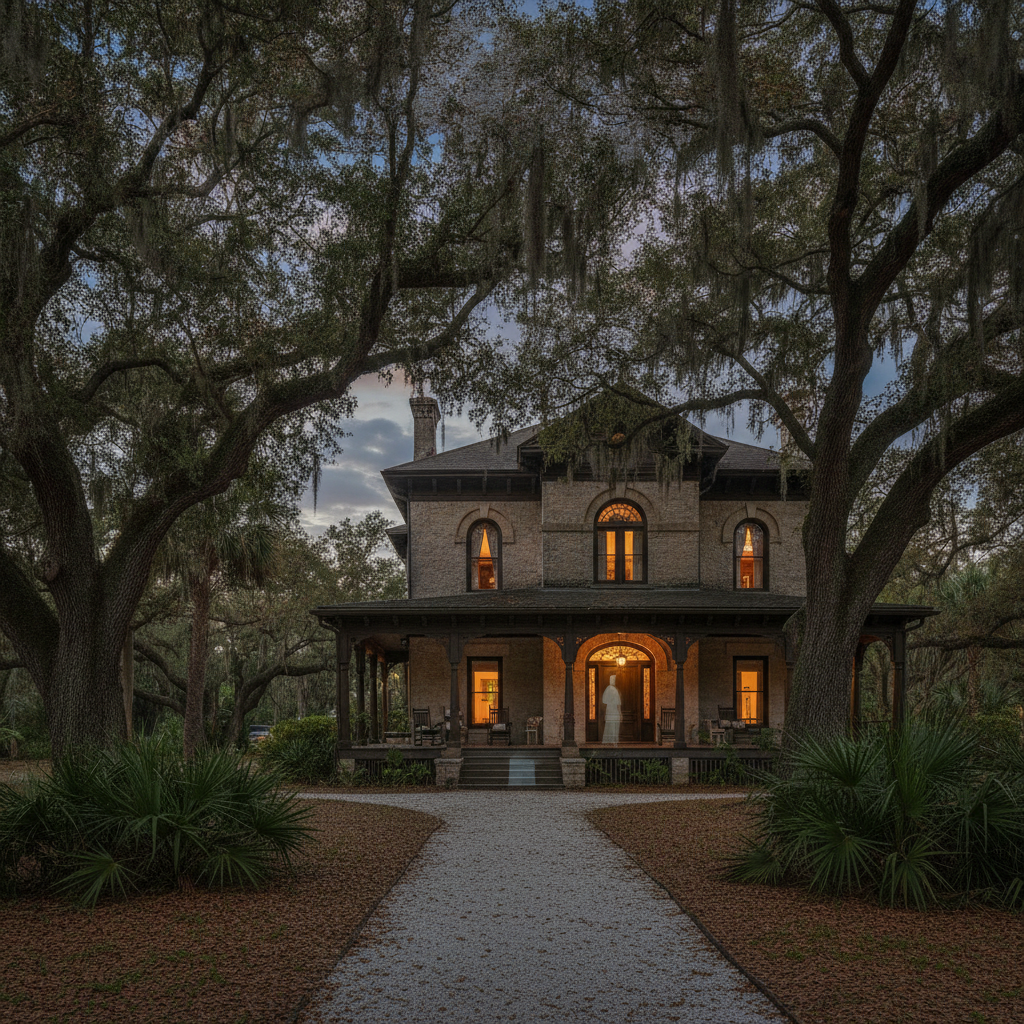
Are ghosts real? It's one of the first questions that comes up when conversation turns to Tampa Bay's century-old Victorian homes, Ybor City's cigar-factory-era buildings, or the quiet cemeteries tucked between modern subdivisions. For homebuyers and sellers across Hillsborough, Pinellas, and Hernando counties, the question is more than campfire curiosity. A home's haunted reputation can shape buyer interest, pricing conversations, and even disclosure obligations. This guide examines what research actually says about whether ghosts are real, why Tampa Bay has such a rich catalog of haunted-house legends, and — most importantly — what practical steps buyers and sellers should take when a property comes with more history than square footage.
TL;DR — The Bottom Line
There is no scientific evidence that confirms ghosts exist, but surveys show a large share of Americans believe houses can be haunted, and Tampa Bay's historic homes, cemeteries, and former institutional buildings have generated decades of local legends. For real estate purposes, a "haunted" reputation is a belief or marketing label, not a verified property condition — buyers should separate ghost stories from actual physical defects through inspections, title research, and proper disclosure review.
Quick Facts
- Americans who believe houses can be haunted: 37% (Gallup, 2005)
- Americans who believe ghosts "definitely" or "probably" exist: 45% (YouGov, 2019)
- Notable Tampa Bay haunted-home legend: The Victorian house at 122 Fort D Avenue, Brooksville
- Common non-paranormal causes of "hauntings": settling, drafts, plumbing noise, electrical issues, mold, pests
- Real estate relevance: Haunted reputations can influence buyer pool size, marketing time, and perceived value — but not inspection or disclosure requirements
Are Ghosts Real? What the Research Actually Shows
So, are ghosts real? From a strictly scientific standpoint, there is no controlled, repeatable evidence confirming that ghosts exist. What researchers do find, consistently, is that belief in ghosts is widespread and that "haunted" environments often have ordinary explanations. A 2005 Gallup poll found that 37% of Americans believed houses could be haunted, and a 2019 YouGov survey found that 45% believed ghosts "definitely" or "probably" exist.
Studies of allegedly haunted buildings frequently point to mundane contributing factors: building acoustics, low-frequency vibrations, drafts, dim or flickering lighting, temperature swings, and the power of expectation once someone has heard a location is "haunted." Cultural storytelling plays a major role too — once a home or building earns a reputation, visitors and residents tend to interpret ordinary creaks, cold spots, or shadows through that lens. This doesn't mean personal experiences aren't real to the people who have them; it means the cause of those experiences is rarely supernatural in any way science can currently measure.
No. There is currently no peer-reviewed, repeatable scientific evidence confirming the existence of ghosts. Most paranormal investigations rely on anecdotal reports, audio or visual anomalies, or equipment readings that have non-supernatural explanations, such as electromagnetic interference or environmental noise.
For Tampa Bay buyers and sellers, the practical takeaway is simple: whether or not are ghosts real remains unsettled in the scientific community, a property's haunted reputation is best treated as folklore or marketing, not as a verified condition of the home itself.
Why Tampa Bay Has So Many Haunted Home Legends
Tampa Bay is an unusually fertile ground for ghost stories, and it has little to do with whether are ghosts real and everything to do with the region's layered history. Hillsborough, Pinellas, Pasco, and Hernando counties contain a dense mix of 19th- and early 20th-century architecture, former cigar factories, grand old hotels, military installations, and cemeteries that predate modern zoning — all classic ingredients for local legend.
Common sources of Tampa Bay's haunted-house narratives include:
- Historic Victorian and bungalow neighborhoods in areas like Ybor City, Hyde Park, and Seminole Heights
- Former hospitals, hotels, theaters, and military sites repurposed for modern use
- Cemeteries and properties with long, documented ownership histories
- Homes associated with fires, unexplained deaths, criminal cases, or unusually frequent tenant turnover
- Older structures where settling, plumbing, electrical systems, mold, pests, or poor insulation create unusual sounds or sensations that get reinterpreted as paranormal
Paranormal tourism has also grown around these stories, with walking tours and ghost-hunting experiences now a fixture of Tampa's nightlife scene, particularly in Ybor City. That popularity reinforces the cultural habit of asking are ghosts real every time a historic property changes hands or appears in local news.
The Brooksville House: A Local Case Study in Haunted Real Estate
One of the region's best-known haunted-home stories centers on a Victorian house at 122 Fort D Avenue in Brooksville, in Hernando County. Local accounts describe whispers, doors opening on their own, doorknobs moving without anyone touching them, and lights appearing in windows during periods when the house sat vacant. The property's reputation grew further after a horror film was shot there, bringing wider media attention to a story that had circulated locally for years.
Adding a second layer of intrigue, some local accounts claim a former owner hid a fortune somewhere on the property — a legend that has nothing to do with whether are ghosts real but has clearly helped keep public interest alive. This is a useful case study for anyone buying or selling in Tampa Bay: media exposure, local folklore, and genuine historical quirks can all combine to create a property reputation that outlasts any individual owner.
Common Sources of "Haunted" Reputations in Older Homes
Before anyone decides whether are ghosts real is the explanation for strange noises or sensations in a home, it's worth reviewing the far more common culprits. Older Tampa Bay homes, especially those built before modern building codes, are prone to a handful of issues that frequently get mistaken for paranormal activity:
- Foundation settling: Shifting soil and aging foundations can cause popping, creaking, or shifting doors that seem to open or close on their own.
- Drafts and air pressure changes: Older windows, doors, and HVAC systems can create cold spots or whistling sounds often attributed to a "presence."
- Plumbing and electrical noise: Pipes expanding and contracting, or aging wiring, can produce knocking, humming, or flickering lights.
- Mold and air quality issues: Some researchers have linked poor indoor air quality to feelings of unease, fatigue, or disorientation that get interpreted as supernatural.
- Pests: Rodents or insects in walls and attics are a frequent source of scratching or scurrying sounds.
- Humidity and Florida weather: Rapid temperature and humidity shifts common to the Gulf Coast can cause wood framing and doors to creak audibly.
Most "haunted house" experiences trace back to ordinary building issues — drafts, settling foundations, plumbing noise, poor lighting, or air quality problems — combined with the power of suggestion once a property already has a spooky reputation.
This is exactly why a licensed home inspection matters more than any ghost story. Whether or not are ghosts real turns out to be the explanation, a thorough inspection will identify the physical issues that actually affect safety, value, and livability.
Buying or Selling a Reportedly Haunted Home: Due Diligence Essentials
A ghost story is different from a physical defect, and savvy buyers investigate both separately. If you're considering a Tampa Bay property with a local haunted reputation — or simply an older home with an unusual history — here's a practical due-diligence process to follow.
- Ask directly about the property's history. Request information from the seller and listing agent about known deaths, crimes, fires, media attention, or persistent neighborhood rumors.
- Review the seller disclosure form carefully. Florida law has specific rules about what must be disclosed; your real estate attorney or agent can clarify what applies to your situation.
- Research public records. Check newspaper archives, permitting history, insurance claims, and title documents for red flags unrelated to folklore.
- Order a full inspection package. Structure, roof, electrical, plumbing, HVAC, moisture, mold, termites, and radon should all be evaluated by licensed professionals.
- Check insurance and financing implications. Confirm whether the home's reputation — or its actual condition — affects insurability, appraisal value, or loan approval.
- Get legal advice on disclosure obligations. Rules concerning deaths, crimes, stigmatized properties, and "material facts" can vary depending on circumstances, so don't rely on assumptions.
None of these steps require you to resolve the question of whether are ghosts real. They simply ensure that a colorful local legend doesn't distract from the practical realities of buying a home in Tampa Bay.
How a Haunted Reputation Affects Price, Marketability, and Financing
Does a haunted reputation actually move the needle on price? The honest answer is: it depends. A property's ghost story can have several different effects on its marketability, and understanding them helps both buyers and sellers set realistic expectations.
| Effect | What It Looks Like |
|---|---|
| Negative | Some buyers avoid the property outright, shrinking the buyer pool and potentially extending time on market. |
| Neutral | Many buyers consider the story irrelevant if the home is well maintained, updated, and competitively priced. |
| Positive/Niche | Historic-home enthusiasts, paranormal-tourism audiences, filmmakers, and investors may view the reputation as distinctive branding. |
| Risk | Overstating or dramatizing ghost claims in marketing materials can create credibility and legal exposure if claims are exaggerated. |
In our experience working with Tampa Bay sellers, the question of are ghosts real rarely determines a sale on its own. What matters more is condition, pricing strategy, and how the story is handled in marketing. A well-priced, well-maintained historic home with an interesting backstory can actually attract more attention than a plain listing — as long as the narrative is handled honestly rather than oversold.
Haunted reputations themselves are generally treated differently than physical defects or material facts like deaths or crimes on a property. Disclosure requirements vary by state and situation, so sellers and buyers should consult a real estate attorney or experienced local agent to understand what applies to their specific transaction.
Separating Ghost Stories from Real Property Defects
Here's a quotable way to think about it: "A paranormal claim is never a substitute for a home inspection." Carbon monoxide leaks, electrical faults, foundation movement, and security vulnerabilities can all produce sounds, sensations, or symptoms that people interpret as supernatural — fatigue, disorientation, flickering lights, unexplained noises. These are solvable, documentable problems, unlike the unresolved question of whether are ghosts real.
Before letting a property's reputation influence your decision, prioritize:
- Carbon monoxide and indoor air quality testing
- Electrical system evaluation, especially in homes over 40 years old
- Foundation and structural assessment
- Security system review, including locks, lighting, and sightlines
- HVAC inspection for drafts, humidity control, and noise sources
Working with an experienced Tampa Bay agent who understands both the local market and the region's history can make this process far smoother. At Hollister Real Estate, we help buyers and sellers evaluate properties on their actual merits — structural, financial, and historical — rather than relying on legend alone.
Frequently Asked Questions About Ghosts and Haunted Homes in Tampa Bay
Are ghosts real?
There is no scientific evidence confirming that ghosts exist. Surveys show many people believe in them — a 2019 YouGov poll found 45% of Americans believed ghosts "definitely" or "probably" exist — but researchers generally attribute haunted-house experiences to environmental, psychological, and cultural factors rather than supernatural causes.
Can a house really be haunted?
"Haunted" is best understood as a reputation or belief rather than a verified property condition. Many homes labeled haunted have ordinary explanations — old wiring, plumbing noise, drafts, settling foundations, or simply a compelling local story that persists over time.
What is the most famous haunted house in Tampa Bay?
One of the most frequently cited examples is the Victorian house at 122 Fort D Avenue in Brooksville, known locally for stories of unexplained whispers, moving doorknobs, and lights appearing while the home was vacant. Its reputation grew further after a horror film was shot on the property.
Does a haunted reputation lower a home's value in Florida?
Not necessarily. Effects range from negative (smaller buyer pool) to neutral (irrelevant if the home is priced well) to positive (appealing to historic-home or niche buyers). Condition, location, and pricing strategy typically matter far more than the story itself.
Do I have to disclose a haunted house when selling in Tampa Bay?
Disclosure obligations vary depending on jurisdiction and the specific facts involved, particularly if the property's history includes a death or crime. Sellers should consult a real estate attorney and review Florida's seller disclosure requirements rather than relying on assumptions about paranormal reputations alone.
Whether or not are ghosts real is ever settled definitively, Tampa Bay's historic homes and local legends aren't going anywhere — and neither is the need for careful, fact-based real estate decisions. If you're buying or selling a property with an interesting past, pair the local folklore with real due diligence: inspections, disclosures, title research, and honest market pricing. That combination protects your investment far more reliably than any ghost story ever could.
Ready to explore a historic Tampa Bay property or sell one with a story of its own? The team at Hollister Real Estate combines local market expertise with a clear-eyed approach to property history, so you can make confident decisions — legends included. Reach out today to start the conversation.