Buying a Foreclosure Home in Tampa Bay Process Guide
October 10, 2026 · 13 min read
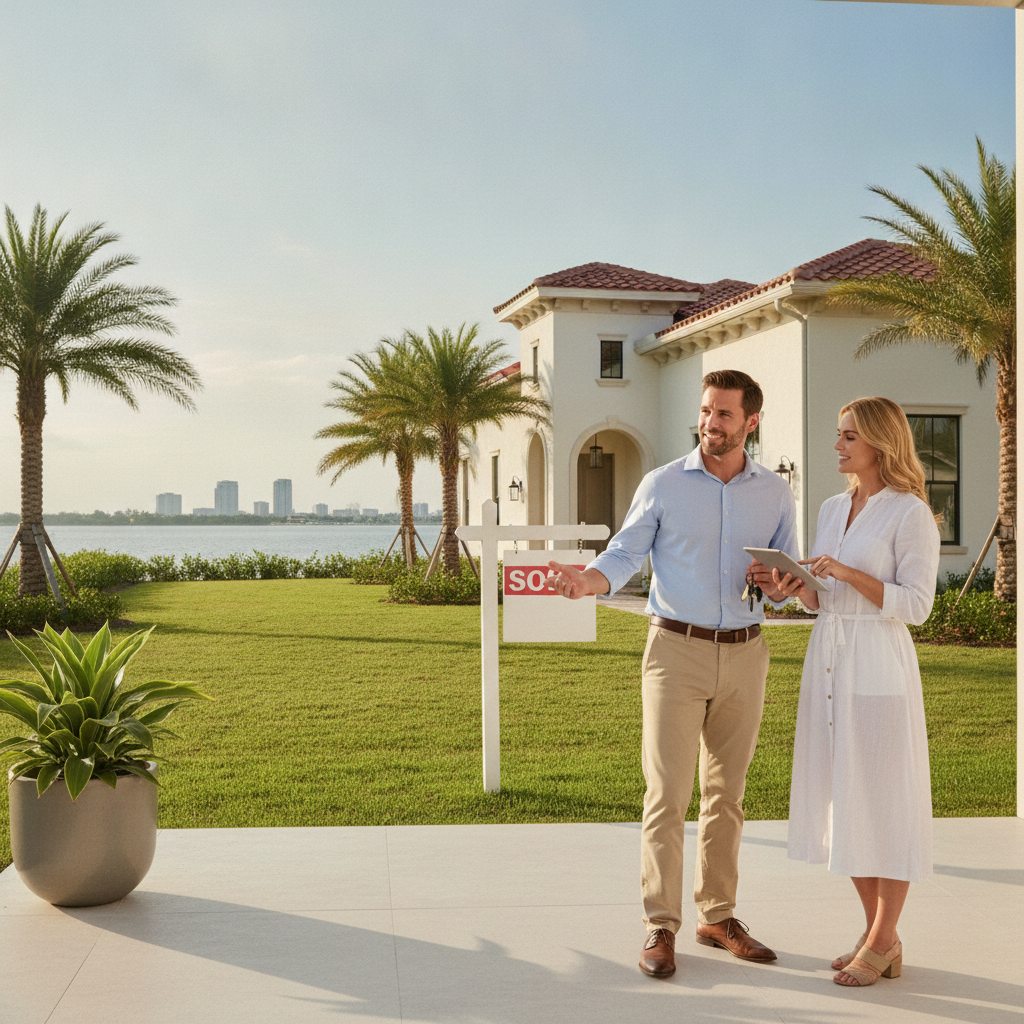
For buyers hunting value in a competitive market, buying a foreclosure home in Tampa Bay process can feel like navigating two systems at once — real estate and civil court. Florida's judicial foreclosure framework, combined with county-specific auction rules, title complications, and as-is property conditions, means this path rewards preparation far more than speed. This guide walks through exactly how the process works, from identifying distressed properties to closing with clear title.
TL;DR — The Bottom Line
The buying a foreclosure home in Tampa Bay process generally follows one of three routes — pre-foreclosure/short sale, courthouse auction, or bank-owned (REO) purchase — and because Florida is a judicial foreclosure state, every sale is tied to a court case, a final judgment, and a scheduled sale date. Success depends on verifying title and liens, inspecting condition realistically, lining up financing or cash proof early, and budgeting for insurance and repairs most conventional buyers never have to consider.
Quick Facts
- Florida foreclosure type: Judicial — requires a court filing and final judgment before any sale [1]
- Florida foreclosure filing rate: Roughly 1 in every 2,124 housing units in March 2026, among the highest nationally [2]
- Tampa-area median list price: Approximately $406,500, with modest year-over-year decline [3]
- Listings with price reductions: About 25% of active Tampa-area listings [3]
- Main purchase routes: Pre-foreclosure/short sale, foreclosure auction, and bank-owned (REO) property
- Typical sale condition: Most foreclosures are sold strictly "as-is," with limited or no inspection contingencies
Understanding the Buying a Foreclosure Home in Tampa Bay Process
Before evaluating individual listings, it helps to understand the legal backbone of the buying a foreclosure home in Tampa Bay process. Florida requires lenders to file suit in circuit court, serve the borrower, and obtain a final judgment of foreclosure before a sale can be scheduled [1]. That judgment sets a sale date, which is administered through the county clerk's online foreclosure auction portal — Hillsborough, Pinellas, Pasco, and Polk counties each run their own systems with slightly different registration, deposit, and payment rules.
This court-driven timeline is why foreclosure purchases differ so dramatically from a standard MLS transaction. There is no seller disclosure in most auction sales, financing contingencies are rare, and the buyer typically has little or no access to the interior before bidding. Understanding this structure early prevents costly surprises later in the buying a foreclosure home in Tampa Bay process.
Market context matters too. Florida recorded roughly one foreclosure filing for every 2,124 housing units in March 2026, placing the state among the highest rates in the country [2]. At the same time, Tampa-area housing data shows a more negotiable market overall, with a median list price near $406,500, longer time on market, and price reductions on about a quarter of active listings [3]. Together, these trends suggest more distressed inventory may surface locally, but buyers should always verify property-level details through the county clerk, property appraiser, and tax collector rather than relying on national or statewide averages.
The Three Paths in the Buying a Foreclosure Home in Tampa Bay Process
Every buyer entering the buying a foreclosure home in Tampa Bay process will encounter three distinct acquisition routes, each with its own risk profile, timeline, and negotiating dynamic.
| Purchase route | How it works | Main advantages | Main risks |
|---|---|---|---|
| Pre-foreclosure / short sale | Owner is behind on payments but the sale hasn't happened; buyer negotiates directly, lender may need to approve a short payoff | Room for inspection, financing, and negotiated terms | Slow lender approval, seller authority issues, possible cancellation |
| Foreclosure auction | Property sells through the county's online sale system after final judgment | Potentially deep discount, direct access to distressed inventory | Little or no inspection, fast payment deadlines, title and occupancy risk |
| Bank-owned (REO) | Lender takes back the property and later lists it for sale, often through an agent | Conventional contract process, more access to inspection | Sold as-is, repairs often significant, bank-specific addenda and timelines |
Pre-foreclosure deals move more like a traditional purchase but require patience with lender-approved short sale timelines. Auction purchases move fastest but leave the smallest margin for due diligence. REO purchases sit in the middle — more structured, but still sold without warranties. Choosing the right entry point is one of the first strategic decisions in the buying a foreclosure home in Tampa Bay process.
Generally yes — auction sales in Florida typically require payment in full (often by a strict deadline the same day or within 24 hours) and do not include a standard inspection or financing contingency, so winning bidders should already have funds confirmed and have reviewed public records in advance.
Step-by-Step: The Buying a Foreclosure Home in Tampa Bay Process Explained
While details shift depending on which route you choose, most transactions follow a similar sequence. Here is the buying a foreclosure home in Tampa Bay process broken into actionable steps.
- Assemble your team first. Line up a Florida agent experienced with distressed property, a title company or real estate attorney familiar with foreclosure title issues, a lender comfortable with as-is conditions, and an inspector or contractor network.
- Identify the property's foreclosure stage. Search county clerk sale calendars, public court dockets, MLS bank-owned listings, and property appraiser records to confirm whether a property is pre-foreclosure, scheduled for auction, or already bank-owned.
- Run a preliminary title search. Before bidding or offering, check for additional liens, HOA balances, code enforcement violations, and open judgments that could survive the sale.
- Verify flood zone and insurance exposure. Tampa Bay's flood maps and wind-zone ratings directly affect insurability and closing timelines, so get a quote before committing funds.
- Secure financing or proof of funds. Auctions typically require cash or certified funds; REOs may allow conventional or renovation financing, but pre-approval should happen before you start touring properties.
- Submit a bid or offer. For auctions, register with the county system and understand deposit rules; for pre-foreclosure or REO deals, submit a written offer alongside any required bank addenda.
- Complete due diligence and closing. Finalize title insurance, resolve any liens, schedule inspections where permitted, and close through a title company experienced in distressed-property transactions.
Skipping any one of these steps is the most common reason buyers run into trouble midway through the buying a foreclosure home in Tampa Bay process — particularly title surprises and insurance denials that surface only after funds have already changed hands.
Financing a Foreclosure Purchase in the Tampa Bay Market
Financing is often the single biggest constraint in the buying a foreclosure home in Tampa Bay process. Courthouse auctions almost always require cash or cashier's checks, with no financing contingency and payment due within a tight window after the winning bid. REO and pre-foreclosure purchases offer more flexibility — conventional loans, FHA 203(k) renovation loans, and portfolio products can sometimes work, but lenders will scrutinize the property's condition closely, and appraisals can be complicated by deferred maintenance.
Because elevated borrowing costs and rising insurance premiums are already pressuring Tampa Bay affordability, buyers should build a realistic repair and carrying-cost budget before bidding, not after.
Title, Liens, and Legal Due Diligence You Can't Skip
Title risk is the quiet danger inside the buying a foreclosure home in Tampa Bay process. Unlike a standard resale, foreclosed properties can carry junior liens, unpaid HOA assessments, code enforcement fines, or even a second mortgage that was not properly cleared during the judicial proceeding. Auction buyers in particular purchase "buyer beware," meaning the responsibility to investigate falls entirely on them before the gavel falls.
A title company or real estate attorney should run a full title search before you commit any funds, checking the official court file, recorded judgments, and the county's Official Records index. Occupancy is another legal wrinkle — some foreclosed properties are still occupied by the former owner or tenants, which can require a separate eviction process after closing.
Not automatically. A foreclosure sale typically extinguishes the foreclosed mortgage and junior liens tied to that loan, but other obligations — such as unpaid property taxes, HOA liens, IRS liens, or code enforcement fines — can survive. Title insurance and an attorney review are the standard safeguards.
Inspection, Insurance, and Condition Risks for Tampa Bay Foreclosures
Condition risk is a defining feature of the buying a foreclosure home in Tampa Bay process. Vacant properties can sit unmaintained for months, inviting roof leaks, mold, plumbing failures, pest infestations, and HVAC neglect. Auction properties usually cannot be inspected at all before sale, while REO and pre-foreclosure purchases may allow a traditional inspection period — buyers should negotiate for this whenever possible.
Insurance deserves equal attention. Florida's wind and flood exposure, combined with rising premiums, can make an otherwise attractive foreclosure difficult or expensive to insure. Get a quote — including flood insurance if the property sits in a special flood hazard area — before finalizing your bid or offer. A property that looks like a bargain on paper can quickly lose its appeal once insurance, repair, and carrying costs are factored in.
Common Mistakes Buyers Make During the Tampa Bay Foreclosure Process
- Skipping the title search because the discount seems too good to pass up.
- Underestimating repair costs on properties that couldn't be inspected before purchase.
- Assuming financing will be easy to arrange at the last minute, especially for auction purchases requiring same-day funds.
- Ignoring occupancy status and the possibility of a post-closing eviction process.
- Forgetting insurance costs until after the purchase is already committed.
Working with professionals who understand the buying a foreclosure home in Tampa Bay process from start to finish — not just the listing side — is the most reliable way to avoid these pitfalls. Kyle Hollister and his Tampa Bay real estate team can help buyers evaluate pre-foreclosure, auction, and REO opportunities with a clear-eyed view of risk before any funds are committed.
Frequently Asked Questions
What is the first step in buying a foreclosure home in Tampa Bay?
The first step is assembling the right team — an agent experienced with distressed property, a title company or attorney, and a lender or proof of funds — before identifying whether a target property is in pre-foreclosure, scheduled for auction, or already bank-owned.
Can you inspect a foreclosure home before buying it in Tampa Bay?
It depends on the route. Pre-foreclosure and bank-owned (REO) purchases sometimes allow a traditional inspection period, while courthouse auction properties usually offer no interior access at all before the sale, making exterior research and public records review essential.
How is Florida's judicial foreclosure process different from other states?
Florida requires a lender to file a lawsuit and obtain a final judgment in circuit court before a foreclosure sale can occur, unlike non-judicial states where a lender can foreclose without court involvement. This means the county clerk's docket and sale calendar drive the timeline [1].
Do foreclosure homes in Tampa Bay always need cash to purchase?
Not always. Courthouse auctions typically require cash or certified funds with payment due quickly after the winning bid, but bank-owned (REO) and pre-foreclosure purchases often allow conventional, FHA 203(k), or other financing, subject to lender and condition requirements.
What are the biggest risks in the Tampa Bay foreclosure buying process?
The biggest risks are hidden title defects or surviving liens, properties sold as-is with significant deferred maintenance, limited or no inspection access before purchase, occupancy issues requiring post-closing eviction, and rising insurance costs that can erode the expected discount.
Final Thoughts on the Tampa Bay Foreclosure Buying Process
The buying a foreclosure home in Tampa Bay process can deliver genuine value, but only for buyers who treat due diligence as non-negotiable. Judicial foreclosure timelines, title complexity, as-is condition, and insurance costs all demand more homework than a standard purchase — and that homework is exactly what separates a smart acquisition from a costly mistake. With rising foreclosure filings statewide and a more negotiable Tampa-area market overall, now is a reasonable time to explore distressed inventory, provided you move carefully and verify every detail through qualified professionals.
If you're considering a foreclosure, short sale, or bank-owned purchase anywhere in Hillsborough, Pinellas, Pasco, or Polk County, connect with Kyle Hollister for a risk-focused walkthrough of your options before you bid or make an offer.